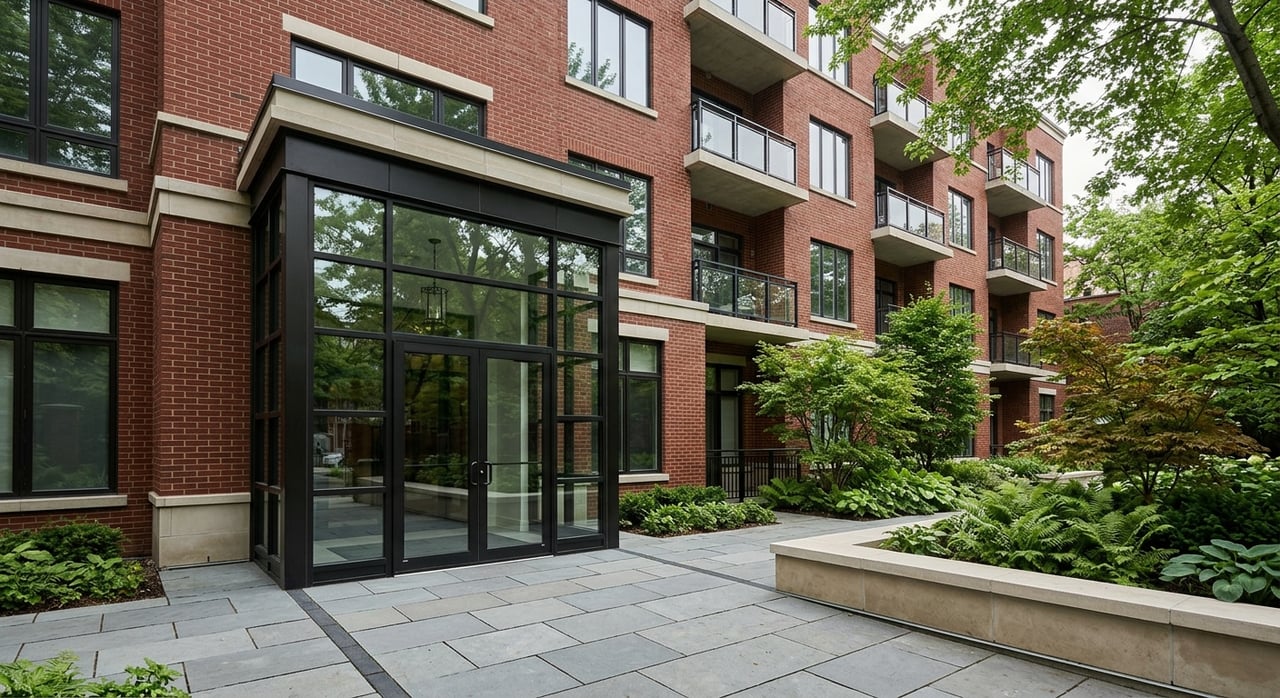
What Glenview Condo Buyers Should Know About HOAs
May 21, 2026
May 21, 2026
Buying a condo or townhome in Glenview can look simple on the surface. You find a home you like, review the monthly payment, and picture an easier lifestyle. But with HOA properties, the association is part of what you are buying, and that can shape your costs, your day-to-day experience, and even your future resale options. In this guide, you’ll learn what Glenview condo buyers should review, what questions to ask, and which local details matter before you move forward. Let’s dive in.
When you buy in a Glenview condo or townhome community, you are not just buying the unit itself. You are also buying into a shared system of rules, budgets, maintenance obligations, and financial decisions.
In Illinois, condo communities are generally governed by the Illinois Condominium Property Act. Many townhome, villa, and similar attached-home communities may instead fall under the Common Interest Community Association Act. That distinction matters because the governing law and the association’s documents help define how the community is run.
The key documents usually include the declaration, bylaws or operating agreement, rules and regulations, and any recorded amendments. These documents explain what the board can do, what owners are responsible for, and how decisions are made.
For condo associations in Illinois, the board typically has authority over the operation, upkeep, maintenance, repair, replacement, and improvement of common elements. The board may also adopt reasonable rules, collect assessments, maintain insurance, keep records, and access units when needed for repairs or emergencies that affect common elements or other units.
In many common interest communities, the governing documents also address maintenance and repair of common areas. The board may levy reasonable fines after notice and an opportunity to be heard.
For you as a buyer, the main point is simple: the association has real power over costs and daily living. Parking rules, repair timing, insurance coverage, maintenance standards, and future assessments can all flow from how that board operates.
One of the biggest mistakes buyers make is treating HOA dues like a simple line item. In reality, those dues can cover very different things from one community to another.
HOA or condo fees are usually paid separately from your mortgage. Depending on the association, those fees may help pay for exterior repairs, common-area maintenance, water, sewer, trash, insurance, and reserve contributions.
That means you should ask a very direct question early: What exactly is included, and what will you still pay on your own? A lower monthly fee is not always better if it means more out-of-pocket costs later.
In Illinois, condo budgets adopted after July 1, 1990 must provide for reasonable reserves for capital expenditures and deferred maintenance. When setting reserves, boards are supposed to consider repair and replacement costs, useful life of major components, any reserve study, the impact of assessment increases on owners, and the association’s ability to obtain financing or refinancing.
If reserve requirements are waived, that waiver must be disclosed in the association’s financial statements and in the response to a prospective purchaser request. That is a major detail to watch because reserves help fund big-ticket work over time.
If a building has weak reserves, owners may feel the impact later through higher dues, delayed repairs, or special assessments. In a market like Glenview, where buyers often want predictable ownership costs, reserve strength deserves close review.
A condo may seem affordable until a special assessment enters the picture. If the association needs major repairs or improvements and does not have enough funds set aside, owners may be required to contribute additional money.
That is why you should ask whether any special assessments are current, planned, or being discussed. You should also ask about anticipated capital expenditures for the current and next two fiscal years, since Illinois resale disclosures are designed to surface this type of risk.
Even if the monthly dues look manageable today, a pending assessment can materially change your real ownership cost. It can also affect your comfort level with the purchase if you are already stretching your budget.
With condos, lender approval is not just about your income and credit. The association itself may also be part of the financing review.
Lenders may look at the HOA budget, reserve funding, the physical condition of the community, pending major lawsuits, structural issues, evacuation orders, and whether required inspections have been completed. For conventional financing, Fannie Mae guidance says lenders review whether the budget includes replacement reserves for capital expenditures and deferred maintenance equal to at least 10% of the budget, unless an acceptable reserve study is used instead.
This is one reason experienced buyers take HOA review seriously. A unit can check every box for you personally but still become harder to finance if the building or association raises concerns.
Illinois gives buyers meaningful disclosure rights on resale condo purchases. Upon demand, the seller must make available a package that includes core association information, and the association must provide it within 10 business days of the written request.
For many condo purchases, that resale information includes:
For many townhome or common interest community purchases, the package is similar, though the timing can differ. In those communities, the board must generally provide the information within 30 days after written request.
The formal resale package is important, but it is not the only source of insight. Broader association records can tell you a lot about transparency, planning, and overall stability.
For common interest communities in Illinois, boards are required to maintain records such as recorded declarations, bylaws, annual reports, rules and regulations, detailed receipts and expenditures, contracts and leases, and board minutes for at least seven years. Reviewing available records can help you spot patterns that matter.
For example, you may learn whether maintenance is proactive or repeatedly deferred. You may also see whether the board communicates clearly, manages spending carefully, and handles recurring issues in a consistent way.
One of the easiest ways to avoid future surprises is to clarify maintenance boundaries before closing. In HOA properties, the line between owner responsibility and association responsibility is not always obvious.
Ask who maintains or replaces items such as:
These details matter because repair costs can be significant, and misunderstandings are common. The governing documents should spell out where the association’s duties end and yours begin.
Beyond the usual HOA review, Glenview has a few local factors worth checking early in the process. These issues can affect your monthly costs and day-to-day convenience.
The Village of Glenview states that its refuse contract includes single-family homes and homes with two attached units. Homes with three or more attached units, such as many townhomes, are not included unless the HOA applies to join.
The Village also requires weekly refuse collection for all homes. So if you are buying in a condo or townhome community, confirm whether trash service is included in dues, arranged by the HOA, or handled another way.
The Village notes that properties in Glenview may be subject to flooding from river flooding, sanitary sewer backup, and local drainage conditions. It also states that most homeowners insurance policies do not cover flood damage.
That makes flood exposure an important due diligence item. Ask whether the property is in a flood-prone area and whether that could affect insurance needs or long-term ownership costs.
Parking can seem minor during a showing and become frustrating after move-in. In Glenview, overnight parking on public streets is prohibited from 2 a.m. to 6 a.m. between Dec. 1 and Mar. 31.
That is why you should ask practical questions about guest parking, whether your space is deeded or assigned, and whether the building has enough parking for everyday use. A listing may mention parking, but the real-world setup is what matters.
Before you remove contingencies, make sure you can answer these questions with confidence:
A well-run HOA can support the low-maintenance lifestyle many condo and townhome buyers want. Clear rules, solid reserves, transparent records, and realistic maintenance planning can make ownership feel smoother and more predictable.
On the other hand, weak reserves, unclear responsibilities, or unresolved local logistics can create stress long after closing. In Glenview, smart condo buying means looking beyond the finishes inside the unit and evaluating the association with the same care you give the home itself.
If you want help evaluating a Glenview condo or townhome purchase, the Geoff Brown Team can help you review the details, ask the right questions, and move forward with more confidence.
Stay up to date on the latest real estate trends.



With personalized strategies and unmatched local insight, the Geoff Brown Team ensures every client’s transaction is smooth, successful, and stress-free.