
Moving From Chicago To The North Shore: How To Compare Homes
June 4, 2026
June 4, 2026
If you are thinking about leaving Chicago for the North Shore, the hardest part is often not deciding whether to move. It is figuring out how to compare homes that look similar on paper but live very differently day to day. When you understand how property type, monthly cost, commute, and timeline change from Chicago to places like Evanston, Wilmette, and Glenview, you can make a more confident move. Let’s dive in.
A move from Chicago to the North Shore is rarely a simple city-versus-suburb comparison. In many cases, it is really a condo-versus-townhome-versus-detached-house decision. That matters because the housing stock is very different across these markets.
Chicago remains much more condo- and multi-unit-heavy than many North Shore communities. According to CMAP, only 29.2% of Chicago housing units are single-unit structures, while 28.1% are in 2-to-4-unit buildings and 42.5% are in buildings with 5 or more units. Chicago’s median housing year built is 1952, which also points to an older and denser housing mix.
That is why a Chicago buyer should not compare a city condo to a suburb name alone. Instead, compare your current or target home to a specific North Shore property type. A detached home in Wilmette is a very different ownership experience than an attached home in Evanston, even if both are labeled “North Shore.”
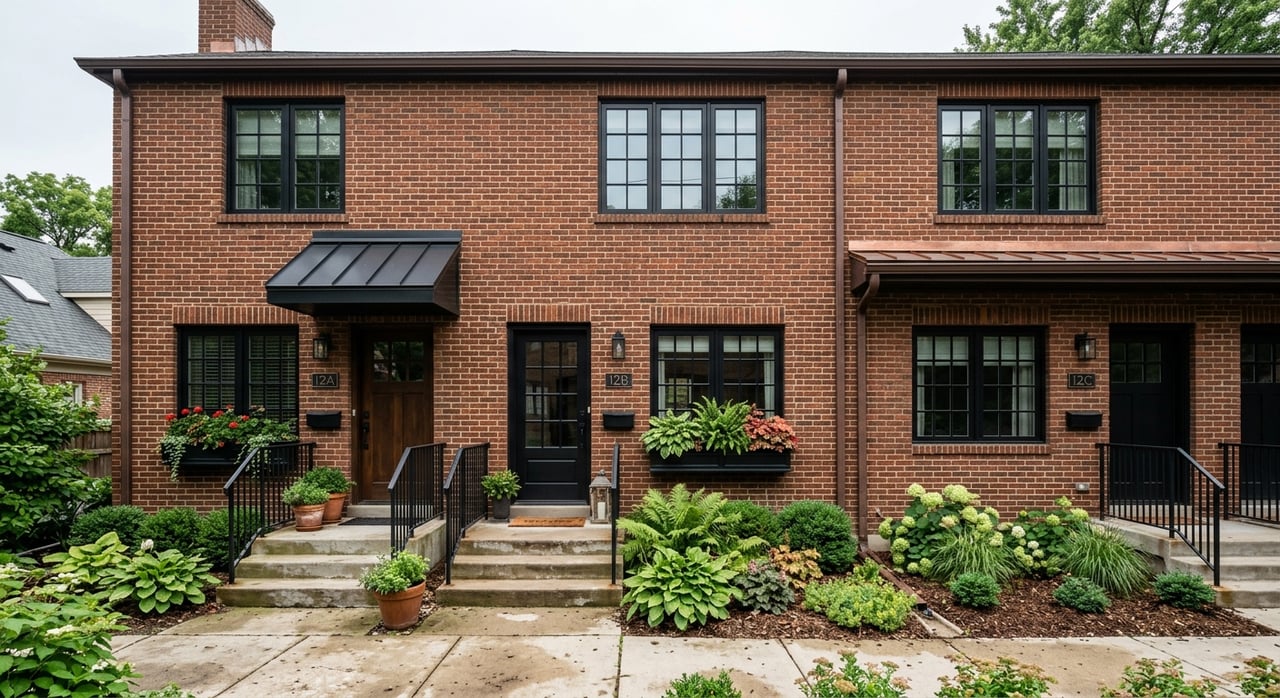
Evanston often feels like the most natural transition point for Chicago buyers. Its housing mix includes both attached and detached options, which gives you more ways to match your budget and lifestyle. The city’s housing analysis also identifies a large number of missing-middle homes, with 72% in 2-to-4-unit buildings and 28% in attached single-family homes.
That product mix can make Evanston easier to compare with Chicago. In mid-2025, attached homes in Evanston averaged $341,000 year-to-date, while detached homes averaged $850,050. Market time also differed, with attached homes averaging 32 days and detached homes averaging 47 days.
Wilmette and Glenview tend to shift the conversation more toward detached living. Wilmette is much more single-family oriented, with about four out of five homes classified as single-family. The village also reports that about 89% of homes are owner-occupied and homeowner vacancy is just 0.3%.
Glenview also leans heavily toward one-unit housing. About 73.7% of its housing units are in one-unit structures, and its median year built is 1977. Compared with Chicago, that means many buyers will find a newer, more detached-home-oriented housing stock.
It is true that many North Shore homes cost more than homes in Chicago. But the more useful comparison is which kind of home you are pricing, not just which municipality. When you move from a condo search to a detached-home search, the pricing range often changes completely.
Illinois REALTORS reported a March 2026 median sales price of $409,200 for Chicago, with a median of 32 days on market. In March 2026, Evanston’s citywide median sale price was $393,000, Wilmette’s was $950,000, and Glenview’s was $768,000. At first glance, Evanston may look very close to Chicago, but that citywide median blends attached and detached homes together.
That is where many buyers get tripped up. An attached Evanston home may fit a Chicago condo budget more easily, while a detached Evanston home may sit in a much higher price tier. The same logic applies across the North Shore, where communities with more detached, owner-occupied homes often post higher median prices.
Before you compare listings, sort them into categories such as:
This gives you a cleaner apples-to-apples view. It also helps you avoid unrealistic expectations if you are moving from a condo-heavy market into a primarily single-family one.
Purchase price is important, but your monthly carrying cost tells the real story. That is especially true when you are comparing Chicago condos, North Shore townhomes, and detached houses.
The Consumer Financial Protection Bureau notes that condo, co-op, or HOA fees are usually paid separately from the mortgage payment. Those dues can range from a few hundred dollars a month to more than $1,000. The CFPB also explains that your total monthly home payment should include principal and interest, property taxes, insurance, and HOA fees when they apply.
That means a lower-priced condo is not always the lower-cost option each month. A detached home may come with a higher purchase price but no HOA, while a condo or townhome may carry a lower price tag and a higher monthly fee structure. If you only compare list price, you can miss the bigger affordability picture.
When you compare homes, look at the full monthly cost, including:
This simple step can change your shortlist fast. It also helps you decide whether you want more association-managed living or more direct home maintenance responsibility.
One of the biggest mistakes buyers make is assuming the suburb name tells them everything about the commute. In reality, commute quality becomes much more address-specific once you move from Chicago to the North Shore.
Evanston has strong rail access, including seven CTA Purple Line stops and three Metra Union Pacific North stations. Wilmette offers Union Pacific North service downtown and the CTA Purple Line terminus at Linden. Glenview is served by Metra’s Milwaukee District North line at downtown Glenview and The Glen of North Glenview, and the village says the average Chicago commute is about 30 to 35 minutes.
Those transit options are meaningful, but they do not make every address equal. Two homes in the same town can create very different daily routines depending on station distance, parking, traffic patterns, and how much winter driving you want to do.
As you compare homes, ask:
This is where local, address-level guidance matters. A good home match is not just about square footage. It is also about whether the property supports the rhythm of your week.
If you are moving from Chicago to the North Shore, timing can matter almost as much as price. That is especially true if you need to sell a Chicago condo before you buy, or if you are trying to line up school-year timing, a lease end, or a job transition.
The CFPB’s home-buying guidance explains that after an offer is accepted, buyers move into document collection, inspection, homeowner’s insurance, title insurance, and closing preparation. It also notes that the Closing Disclosure must arrive at least three business days before closing. Rate locks are typically available for 30, 45, or 60 days, which provides a useful planning framework.
A practical rule of thumb is that a well-prepared buyer may need about 30 to 60 days from accepted offer to closing. The exact timing depends on underwriting, appraisal, title work, and the seller’s move-out schedule. For condo and townhome purchases, you may also want extra time to review HOA budgets and monthly obligations.
If you want a simple way to compare homes during your move, use this checklist:
This keeps your search grounded in real-life tradeoffs. It also helps you avoid falling in love with a house that does not fit your monthly budget or moving timeline.
Chicago and the North Shore are close geographically, but they can behave like very different housing markets. Chicago’s housing stock is older and far more multi-unit. Evanston offers a broader blend of attached and detached homes. Wilmette and Glenview lean more heavily toward detached living, with pricing and ownership patterns that reflect that shift.
When you compare homes the right way, you stop asking, “Is the North Shore more expensive?” and start asking better questions. Which property type fits your budget? Which address preserves your commute? Which monthly cost feels sustainable? Those answers usually lead to a smarter move.
If you are planning a move from Chicago to Evanston or the North Shore, the right guidance can make the process feel much clearer. The Geoff Brown Team helps buyers and sellers compare options with local insight, data-driven advice, and a high-touch approach that keeps your move on track.
Stay up to date on the latest real estate trends.



With personalized strategies and unmatched local insight, the Geoff Brown Team ensures every client’s transaction is smooth, successful, and stress-free.