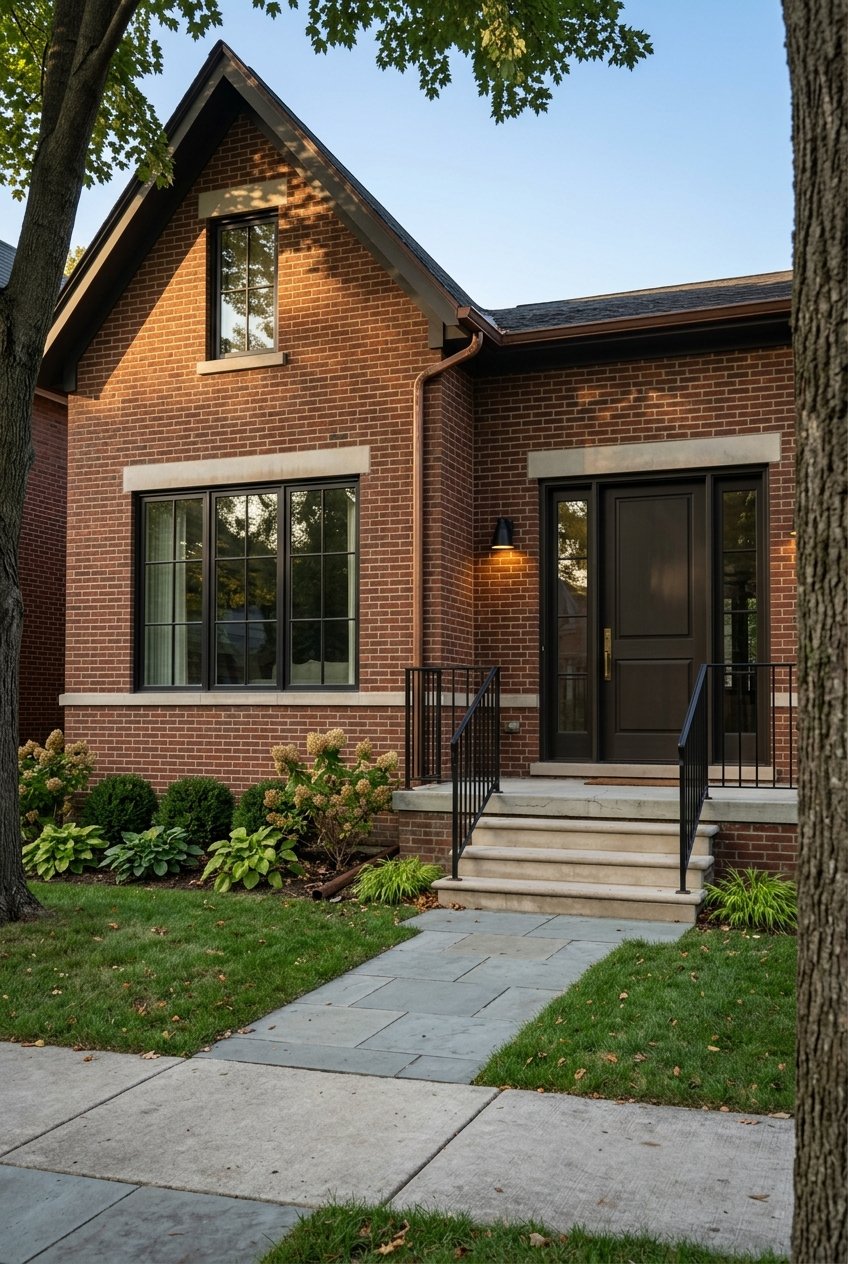
Evanston Historic Home Styles And How To Evaluate Them
June 11, 2026
June 11, 2026
Wondering whether that charming older Evanston house is a true Queen Anne, a Prairie classic, or a Tudor Revival with expensive surprises hiding in plain sight? If you are shopping for a historic home, it is easy to fall for the character first and ask the practical questions later. The good news is that Evanston gives you strong local tools to identify style, check designation status, and think clearly about condition before you commit. Let’s dive in.
Evanston has one of the deeper preservation footprints in the Chicago area. The city reports more than 850 registered individual local landmarks, including about 430 outside designated local historic districts, with buildings in its inventory dating from the 1850s through the mid-1960s.
That range helps explain why Evanston streetscapes can feel so architecturally rich. The city and the Evanston History Center describe local architecture as spanning Greek Revival and Gothic to Queen Anne, Tudor Revival, Prairie School, and mid-century modern.
For buyers, the first step is not guessing the style from curb appeal alone. It is checking whether the property is locally designated, since that can affect how future exterior changes are reviewed by the city.
Before you focus on finishes or renovation ideas, verify whether the home is a local landmark or sits within a local historic district. Evanston directs residents to its About My Place tool for parcel-level historic and landmark status.
This matters because the Preservation Commission reviews exterior changes to landmark structures and properties in historic districts. According to the city, projects involving design, materials, general appearance, additions, new construction, demolition, or relocation may be reviewed, while repair or replacement with no change in appearance or materiality generally does not require review.
That does not mean change is impossible. In practice, Evanston’s preservation framework is designed to manage change rather than stop it, which is helpful if you want to update a home thoughtfully.
Evanston has a broad mix of historic architecture, but a few home styles appear again and again in local inventories. In the Lakeshore Historic District, for example, the city found especially strong representation of Colonial Revival, Tudor Revival, Craftsman or Craftsman Bungalow, and Prairie styles.
Citywide, the landmark inventory also shows significant numbers of Tudor Revival, Craftsman, Queen Anne, Colonial Revival, and Prairie homes. Knowing the visual language of each style can help you tour more confidently and spot where original character may have been altered.
When people say “Victorian” in Evanston, they are often using a broad label for several late-19th-century styles. Local inventories include Queen Anne, Italianate, Gothic Revival, Second Empire, and Shingle Style examples, with Queen Anne standing out as the most recognizable ornate Victorian subtype.
A Queen Anne home is typically asymmetrical, with steep cross-gabled roofs, towers or projecting bays, wraparound porches, and a mix of exterior materials. In Evanston, this is often the clearest version of the “storybook” historic house many buyers picture.
When you evaluate one, pay close attention to the porch, gables, decorative wood trim, and window rhythm across the facade. If later siding, simplified trim, or replacement windows have flattened the exterior, the house may have lost some of the layered detail that gives the style its identity.
Prairie and Craftsman homes tend to feel more grounded and horizontal. You will often see low-pitched roofs, broad porches, deep overhangs, and simple materials like stucco, wood siding, and multi-pane or casement windows.
Evanston’s inventory notes that Craftsman details were often applied to familiar house forms like the bungalow and the American Foursquare. That means you may see modest homes with strong style character even if the overall form looks straightforward.
As you walk through one of these homes, look closely at roof edges, porch piers, stucco condition, and whether original windows and built-ins remain. These homes often get their appeal from proportion and detail, so small changes can have a big effect on authenticity.
Colonial Revival is one of Evanston’s most common revival-era residential styles. These homes usually read as more symmetrical and formal than Queen Anne or Craftsman houses.
Dutch Colonial Revival is easy to spot once you know the key feature: the gambrel roof, often paired with front dormers. If you are comparing similar homes, that roof shape is often the quickest visual clue.
For both styles, roof condition and exterior detailing matter. A home may still present well from the street, but deferred maintenance around roofing, flashing, or trim can lead to larger costs later.
Tudor Revival homes are especially prominent in Evanston. The style typically features steep roofs, a dominant front gable, half-timbering, masonry or stucco walls, massive chimneys, and narrow casement windows.
These are some of the most visually distinctive historic homes in the market, but they can also come with style-specific maintenance needs. Pay special attention to the roof, chimneys, flashing, stucco, and masonry, since those features define the look and are often among the costliest components to repair correctly.
Mid-century modern homes appear in Evanston as well, though they are less common in the landmark inventory outside districts. The city describes them as low-profile homes with flat or low-sloped roofs, varied materials, cantilevered overhangs, and large picture windows or glass-block areas.
The biggest evaluation question here is often integrity of design. If later remodeling changed the roofline, altered the glazing pattern, or reshaped the facade proportions, the home may no longer read as clearly as a mid-century modern design.
A useful way to think about any historic home is simple: what original materials and features still survive, and what has been changed? The general preservation approach cited in the research is to maintain and repair distinctive materials and features where possible, rather than replace them wholesale.
That mindset is practical, not just academic. Original windows, masonry, stucco, porches, roof forms, and trim often define both the style and the long-term value of a historic home.
Here is a smart tour checklist to use when you walk a property:
These questions can help you separate cosmetic updates from meaningful preservation quality. A fresh kitchen may be appealing, but in a historic home, exterior condition and material integrity often tell you more about future cost and effort.
Three areas deserve extra attention in almost every Evanston historic home: windows, masonry, and roofs. They are highly visible, essential to weather protection, and often expensive to address.
Preservation guidance in the research supports repairing and retaining historic wood windows where possible. If replacement is truly necessary, visible replacements should match the historic material and details.
Masonry also needs a careful eye. Incorrect repointing mortar can damage older brick, so it is worth looking not just at whether work was done, but whether it appears compatible with the house.
Roofs and stucco should also be evaluated for both function and visual fit. On styles like Tudor Revival, Prairie, or Craftsman, the roofline and exterior surfaces do a lot of the architectural heavy lifting.
If you are serious about a historic property, do some homework before closing or before finalizing remodel plans. Evanston offers practical local tools that can save you time and help you avoid surprises.
Start with About My Place to confirm designation status. If the home is in the Lakeshore Historic District, the district map can help you search by address, year built, architectural classification, architect, and landmark or contribution status.
For deeper background, the Evanston History Center is a strong local archive. Its collections include house files, city records, historic real estate listings, Sanborn maps, blueprints, and district documentation.
Historic homes are not one-size-fits-all purchases. Before you move forward, focus on a few questions that can shape both your budget and your renovation path.
Ask yourself:
These are the kinds of questions that help you move from admiration to informed decision-making. In a market like Evanston, that clarity can make a real difference.
If you are planning future work, it is also worth understanding whether any preservation-related programs may apply. Evanston’s homeowner guidance notes that residents may have access to preservation easements, the Property Tax Assessment Freeze Program, and Class L designation for income-producing properties.
Illinois also offers a Historic Preservation Tax Credit for certified rehabilitations of certified historic structures, generally tied to income-producing projects rather than a typical owner-occupied purchase. The right fit depends on the property and your plans, so it is important to verify eligibility early.
Buying a historic home in Evanston is partly about architecture and partly about process. You want to recognize the home style, understand what makes it special, and know where design review or preservation considerations may affect your next steps.
That is where local market knowledge becomes especially valuable. When you can pair style recognition with practical evaluation, you are better positioned to buy with confidence, plan updates wisely, and protect what gives the home its long-term appeal.
If you are considering a historic home in Evanston or preparing to sell one, the Geoff Brown Team can help you evaluate character, condition, and market positioning with a clear local lens.
Stay up to date on the latest real estate trends.
With personalized strategies and unmatched local insight, the Geoff Brown Team ensures every client’s transaction is smooth, successful, and stress-free.