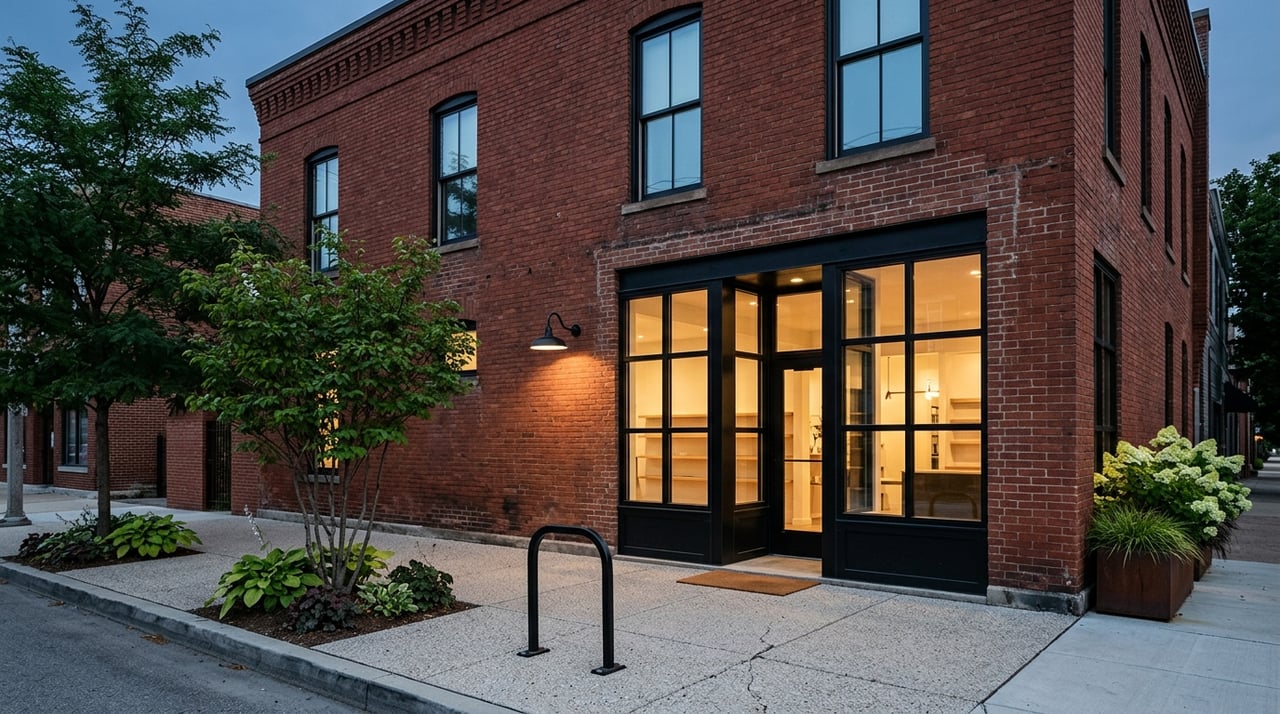
Highland Park Lakefront And In-Town Living Compared
July 2, 2026
July 2, 2026
Wondering whether Highland Park feels more like a shoreline retreat or a walkable North Shore hub? The answer is that it can be both, but the day-to-day experience is very different depending on where you land. If you are comparing lakefront and in-town living, this guide will help you understand the real tradeoffs so you can focus on the lifestyle that fits you best. Let’s dive in.
Highland Park is a primarily residential city on Chicago’s North Shore, about 30 miles north of the city, with roughly 30,000 residents across about 12.5 square miles. For many buyers, the biggest choice is not simply east versus west.
Instead, it is often a choice between shoreline and bluff-oriented living near Lake Michigan and in-town living around Highland Park’s Central, Ravinia, and Braeside business districts. Each offers a distinct version of Highland Park, and each supports a different daily rhythm.
Lakefront living in Highland Park is closely tied to the city’s shoreline, parks, and access rules. The Park District manages 800 acres, 44 park areas, 20 miles of walking and biking paths, and 4 lakefront properties, which gives the lakefront a meaningful role in daily life.
For many buyers, Rosewood Beach is the clearest example of that lifestyle. It includes a nature cove, a guarded swimming beach, a recreation beach, a boardwalk, picnic tables, restrooms, and an interpretive center. That adds up to a setting that feels scenic and recreational, not just residential.
At the same time, access is managed. During swim hours, each person needs a Rosewood Beach Access Pass, and vehicles at lakefront lots require a Lakefront Parking Decal. Current Park District pricing lists the 2026 lakefront parking decal at $40 for residents and $300 for non-residents.
If you are drawn to the shoreline, you may be looking for:
That last point matters more than many buyers expect. On shoreline properties, the city’s permit guidance tells applicants to verify whether a site is a Lake Bluff or Ravine site and comply with the Steep Slope Ordinance if applicable.
Lakefront ownership can come with extra due diligence compared with a more typical inland lot. Before moving forward, it is smart to look closely at:
This does not mean every lake-adjacent property is complicated. It does mean that site conditions and permitting questions should be part of your buying process early, not after you fall in love with the view.
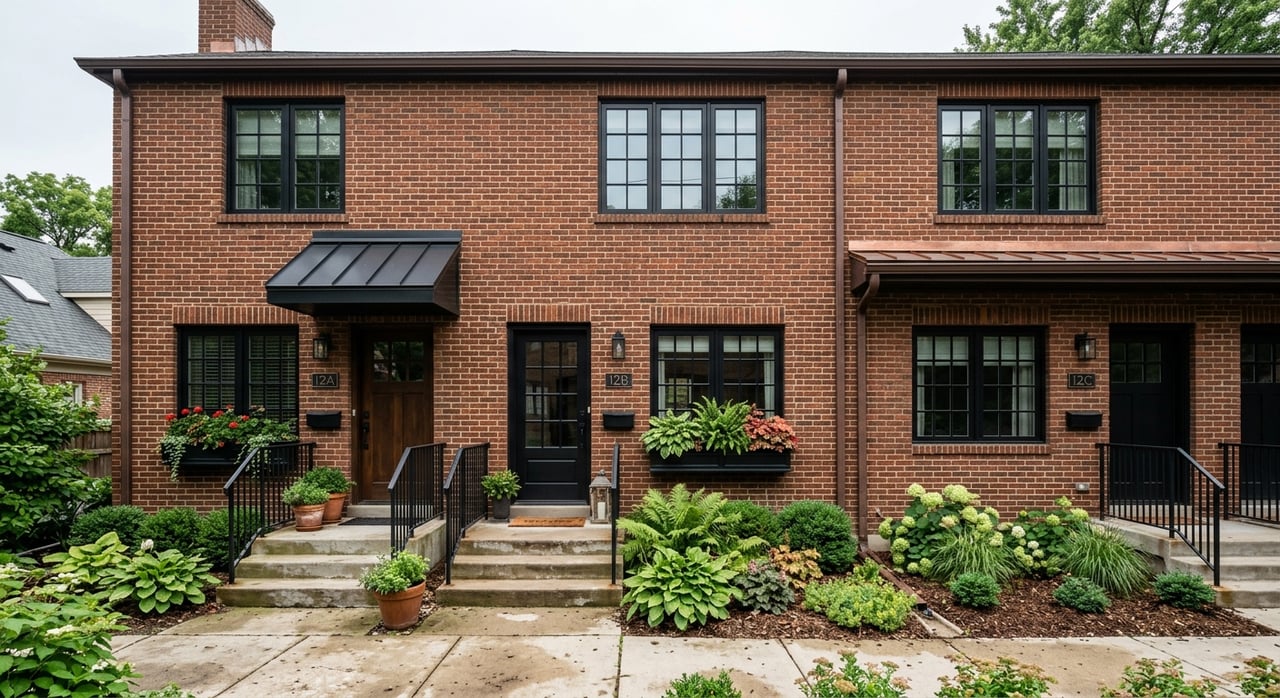
In-town living in Highland Park usually centers on convenience, walkability, and access to the city’s business districts. The Central Business District is the clearest example, with City Hall, the public library, the Metra station, Port Clinton Square, Renaissance Place, the Art Center, and the Community House located within the same downtown core.
For many buyers, that creates a very different daily experience than shoreline living. Instead of prioritizing direct water access, in-town buyers often value being able to reach errands, dining, services, and the train with less driving.
Ravinia offers another important in-town option. The city’s streetscape plan frames the corridor as a mixed-use neighborhood with an emphasis on pedestrians and cyclists and stronger ties between the district and the nearby residential area.
If you prefer in-town living, you may be prioritizing:
That compact feel can also show up in the housing itself. For example, Renaissance Place describes itself as a luxury mixed-use property in downtown Highland Park with one- and two-bedroom units and on-site retail, restaurant, and entertainment options.
Highland Park offers solid commuter rail access, but not every location functions the same way. Metra lists Highland Park, Ravinia, Braeside, and Ravinia Park on the UP-N line, with the note that Ravinia Park is open only during Ravinia concert season.
That means station access is a meaningful comparison point when you evaluate in-town homes. A property that feels close to one district may still offer a different commuting setup than a property near another station.
The biggest difference often comes down to how you want your typical day to work. Both options are distinctly Highland Park, but they support different routines.
Lakefront living tends to emphasize scenery, shoreline recreation, and a quieter residential feel. In-town living tends to emphasize convenience, compactness, and easier access to shops, services, and rail.
Here is a simple way to think about the tradeoff:
| Lifestyle Focus | Lakefront Living | In-Town Living |
|---|---|---|
| Setting | Shoreline and bluff-oriented | Central, Ravinia, or Braeside districts |
| Main appeal | Views, water access, privacy | Walkability, errands, train access |
| Daily rhythm | Recreation and residential calm | Convenience and mixed-use access |
| Key planning issue | Topography, slope, tree review | Parking, station access, district proximity |
| Access rules to note | Beach passes and lakefront parking decals | Downtown parking lots and garages |
A good Highland Park home search starts with your routine, not just the listing photos. The better you understand your priorities, the easier it is to narrow the right area.
If you are considering a shoreline property, ask:
These questions help you look beyond aesthetics and into ownership experience. For many buyers, that is where the real decision becomes clear.
If you are considering a home near downtown, Ravinia, or Braeside, ask:
These answers can help you separate a location that is merely appealing from one that truly fits your routine.
If you picture mornings near the lake, value views, and want a setting shaped by open space and shoreline access, lakefront living may be the stronger fit. If you picture easier walks to downtown destinations, regular train use, and a more connected in-town pattern, the Central, Ravinia, or Braeside areas may make more sense.
Neither choice is better across the board. The right fit depends on whether you want Highland Park to feel more like a shoreline escape or more like a walkable North Shore hub.
As you compare homes, it helps to evaluate not just price and size, but also how the location will shape your weekly routine. That is often what turns a good move into the right move.
If you want help comparing Highland Park neighborhoods, property types, or day-to-day tradeoffs, the Geoff Brown Team can help you narrow the options with clear, local guidance.
Stay up to date on the latest real estate trends.
With personalized strategies and unmatched local insight, the Geoff Brown Team ensures every client’s transaction is smooth, successful, and stress-free.