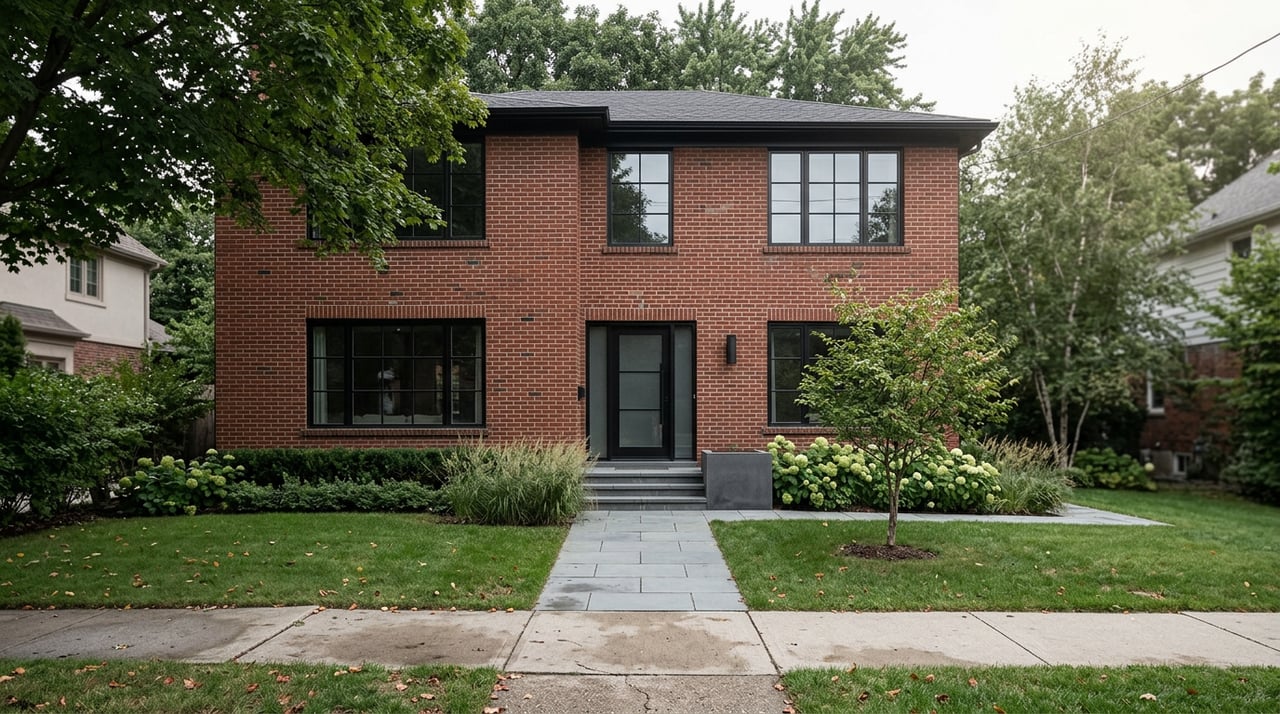
Wondering why two Wilmette blocks can feel completely different, from a storybook cottage on one street to a stately Colonial around the corner? If you are comparing neighborhoods or planning a remodel, understanding style, era, and lot patterns will help you buy or sell with confidence. In this guide, you will learn what to expect inside each major home type, where they tend to cluster, and which maintenance items matter most for value. Let’s dive in.
Why Wilmette’s mix matters
Wilmette blends early 1900s architecture near the lake with mid‑century homes farther west and steady infill activity on marketable lots. The result is a deep inventory of character homes alongside newer builds that prioritize modern layouts. For a quick local overview, see the housing patterns discussed in the Wilmette guide on Homes.com.
The village also maintains a Historic Preservation Commission. That can influence timelines for exterior changes or demolitions on designated properties. You can review procedures and standards in the Historic Preservation Commission Handbook.
Recent market pages report single‑family medians ranging from the high six figures to low seven figures. You can browse sold data snapshots on Homes.com’s Wilmette sold listings for context as you research.
Cottages and bungalows
What you will see
Early cottages and bungalow‑style homes often date from the 1900s to 1930s and sit on modest lots in central, walkable blocks. Many are 1 to 1.5 stories with welcoming front porches, a living room that flows to a dining room, and a compact kitchen. Craftsman touches like wide eaves, exposed rafter tails, built‑ins, and original millwork are common.
Renovation and upkeep tips
- Expect smaller kitchens and baths. Many owners open walls or consider dormer, attic, or over‑garage additions.
- Original windows and porches may need repair. If the home predates 1978, follow federal rules on lead disclosure and safe work practices. See the EPA’s overview of lead‑based paint requirements.
- Plan for possible electrical and plumbing updates. Older wiring and galvanized supply lines can trigger inspection notes during a sale.
Colonial Revival and Cape Cod
What you will see
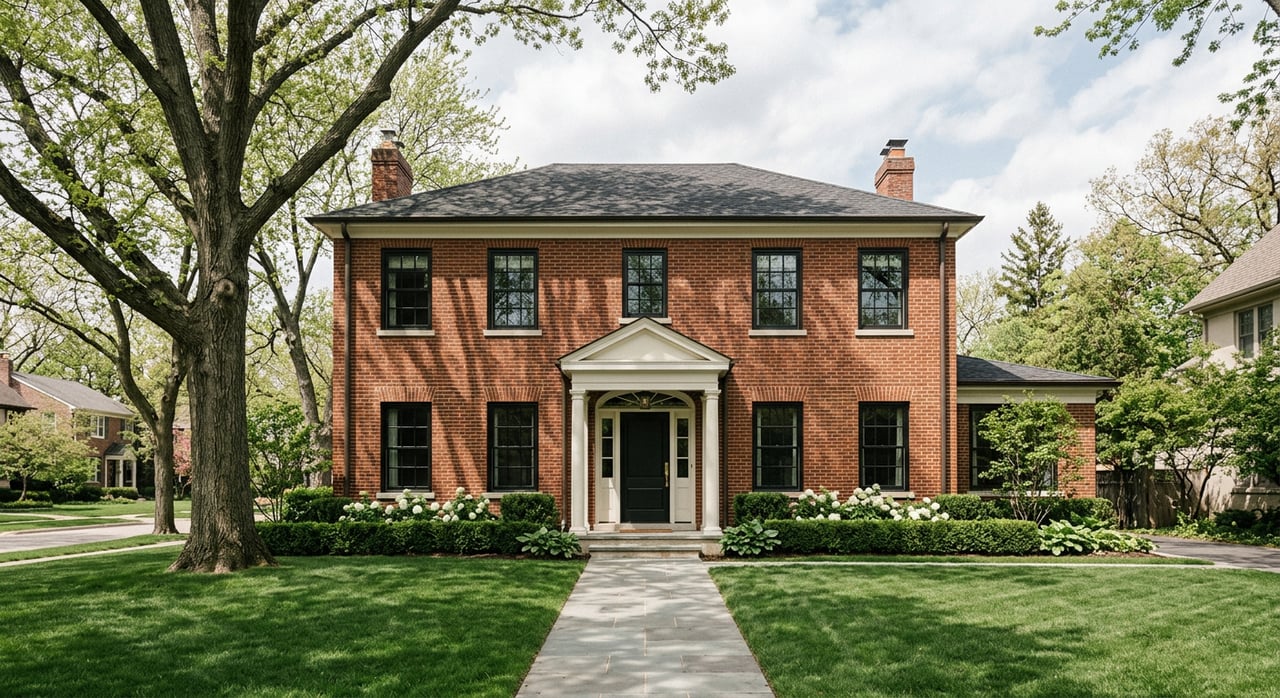
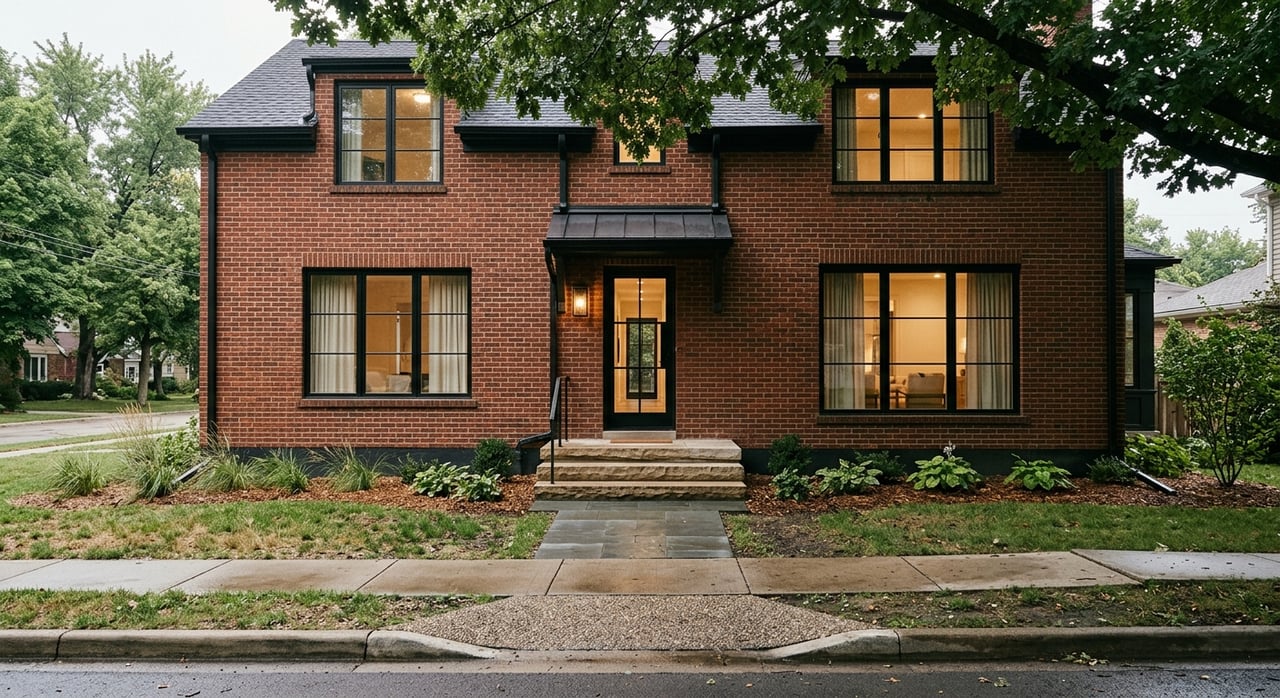
Traditional two‑story homes are a Wilmette staple, especially in East Wilmette and similar blocks where symmetry and center‑hall plans are favored. Inside, you will typically find formal living and dining rooms on the main level, with 3 to 5 bedrooms upstairs. Brick or clapboard exteriors are common, and many homes gained attached or detached garages later.
Renovation and upkeep tips
- These plans offer great bones for kitchen expansions, mudrooms, and primary suites with en‑suite baths.
- Historic trim and fireplaces add resale appeal when in good condition. Preserve where possible during updates.
Tudor and English Revival
What you will see
In lake‑adjacent areas and established streets, Tudor and English Revival homes showcase steeply pitched roofs, brick or stone exteriors, half‑timbering, and leaded windows. Floor plans often include generous formal rooms, paneled libraries, and larger primary wings.
Renovation and upkeep tips
- Specialty materials like slate, stone, and custom masonry are beautiful but can be expensive to repair or match.
- If the property is designated, exterior changes may require review. Check the village’s Historic Preservation Commission Handbook for guidance before planning a project.
Prairie School standouts
What you will see
Wilmette includes notable architect‑designed homes, including nationally recognized Prairie School examples. The Frank J. Baker House by Frank Lloyd Wright is a well‑known local landmark. Learn more from the Frank Lloyd Wright Trust’s page on the Baker House.
Renovation and upkeep tips
- Expect horizontal massing, low‑pitched roofs, leaded glass, and integrated built‑ins. These original features carry high design value and often require meticulous restoration.
- Designated properties may need approvals for visible exterior work. Confirm requirements with the village’s preservation materials.
Mid‑century ranch and split‑level
What you will see
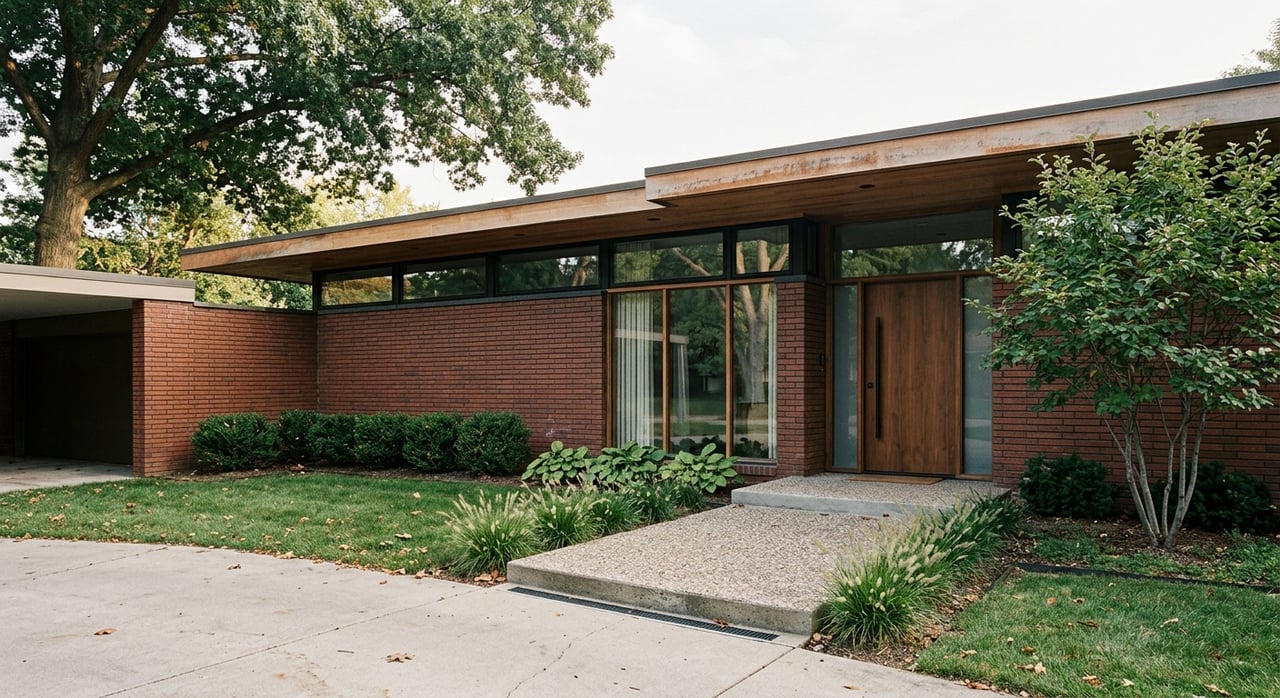
As Wilmette expanded in the 1940s to 1960s, the west side added ranches, split‑levels, and postwar models. These homes often offer bigger parcels than central cottages. Inside, you will see one‑story or split‑level plans, attached garages, and lower ceiling heights than new builds. Many owners open kitchens and remove walls for a modern feel.
Renovation and upkeep tips
- Plan for mechanical updates. Original furnaces, plumbing, or electrical systems may be at the end of their service life.
- These layouts adapt well to kitchen refreshes, family room additions, and outdoor living upgrades.
New construction and estates
What you will see
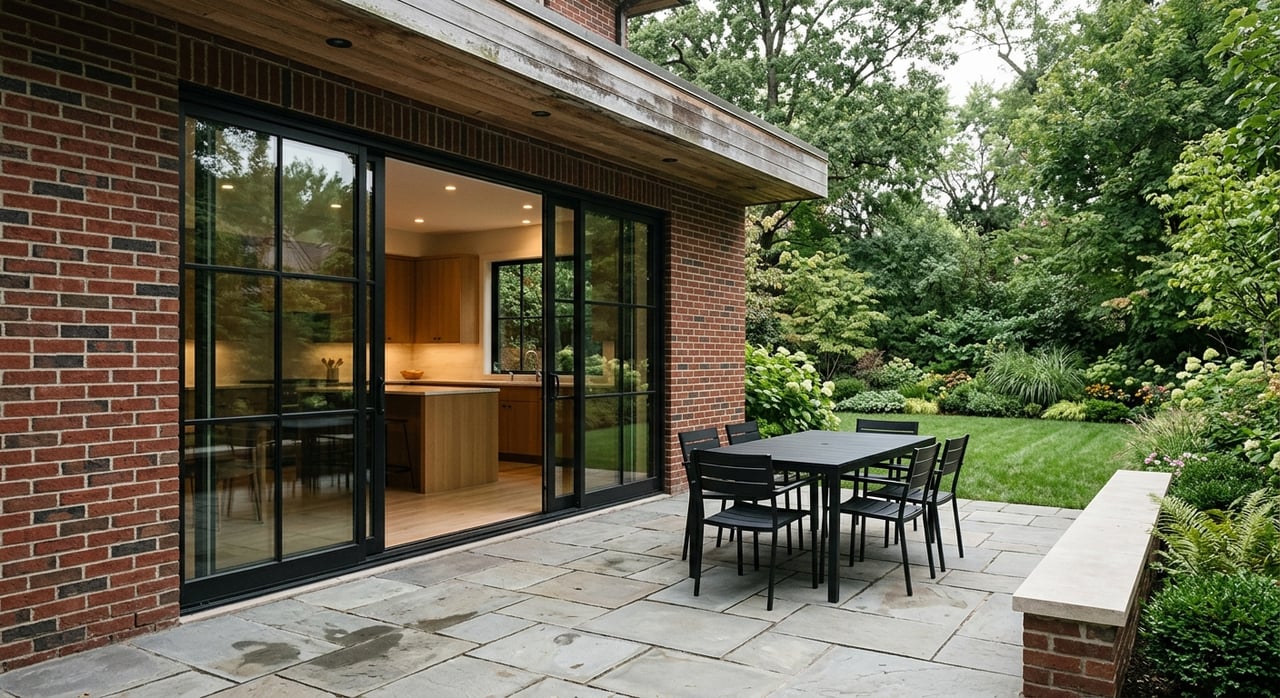
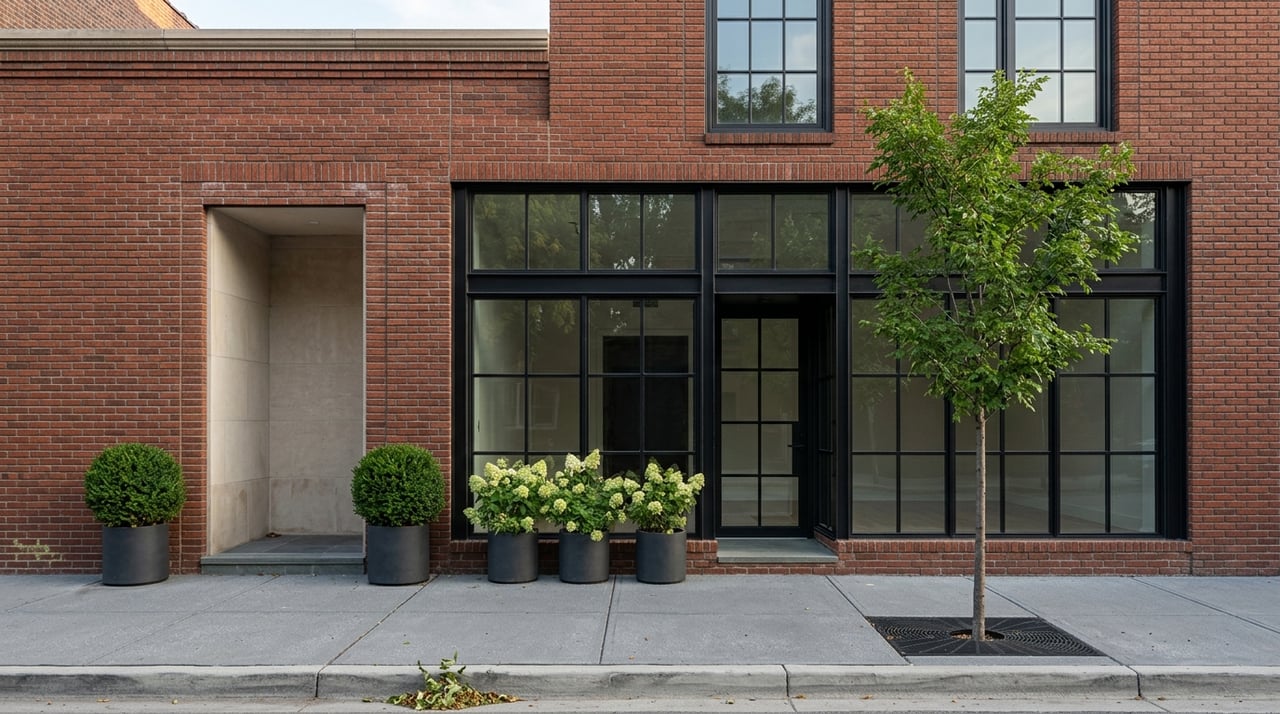
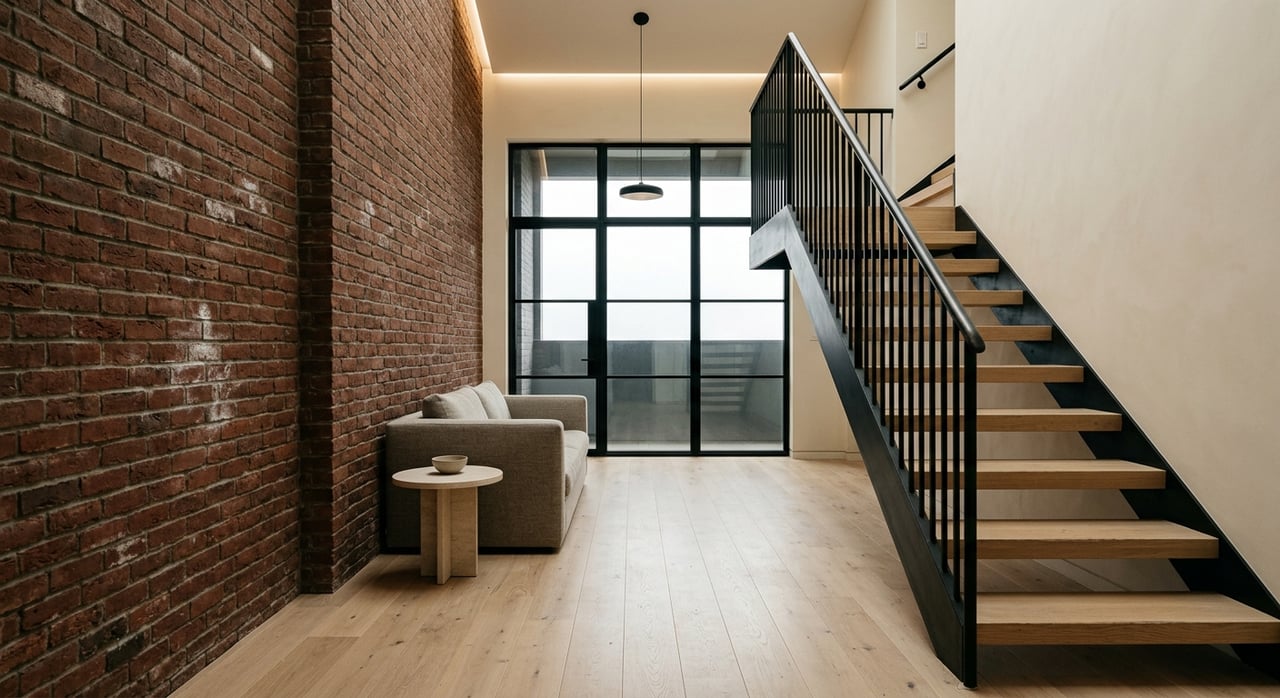
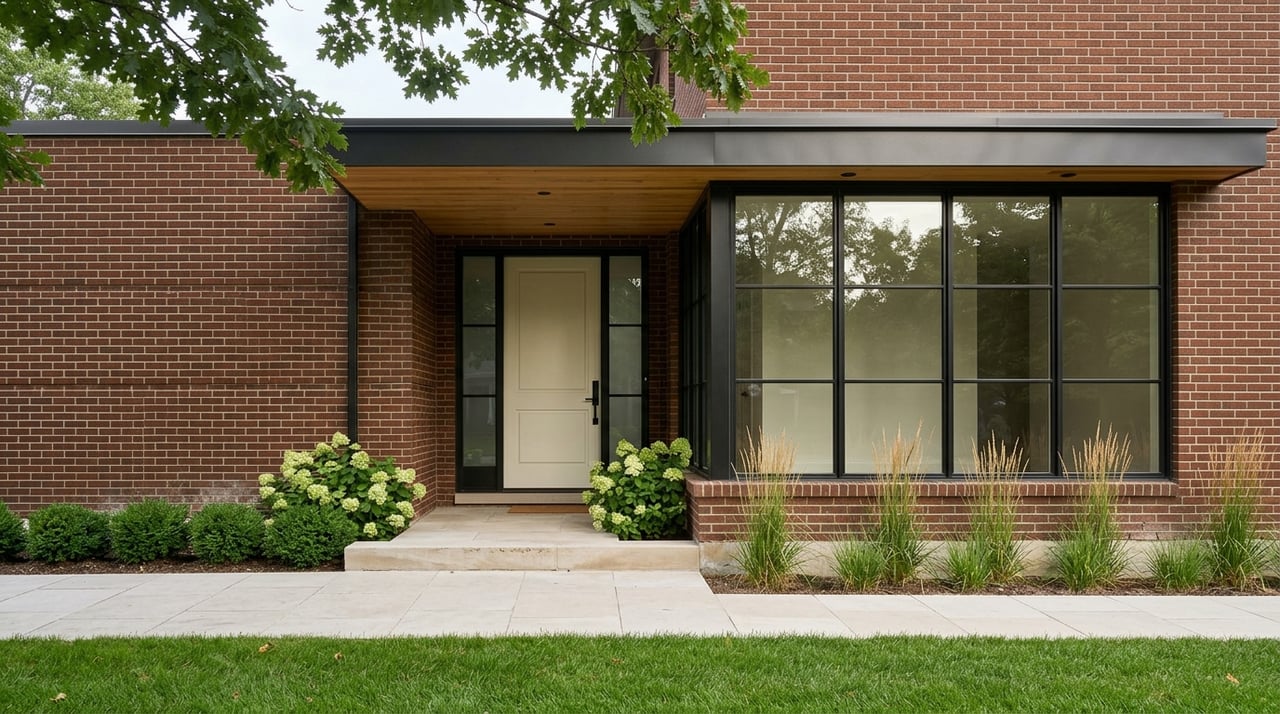
High land values near transit, schools, and the lake have supported tear‑downs and custom new builds across the North Shore. You will find modern Colonials, Shingle‑style homes, and contemporary designs that maximize indoor‑outdoor living and include larger kitchens, multiple en‑suite bedrooms, and integrated systems. For a broader look at teardown and infill dynamics, see research from the Lincoln Institute of Land Policy.
Renovation and upkeep tips
- Newer homes often include upgraded electrical service, EV readiness, and energy‑efficient windows. Review permits and builder warranties where available.
- On the lakefront, document roof, flashing, and ice‑dam protections to reassure future buyers.
Lots, zoning, and rebuild rules
Lot sizes vary widely by neighborhood. East Wilmette and Indian Hill Estates tend to have deeper, wider parcels, while central blocks often measure 40 to 60 feet of frontage. West‑side subdivisions reflect mid‑century patterns. For any specific property, verify dimensions with parcel data and the village.
Zoning affects what you can build, expand, or subdivide. Local courts have discussed standards such as 60‑foot lot‑width minimums and 8,400 square foot lot areas in certain single‑family districts. If you plan a teardown, addition, or a variance, review the village map and speak with zoning staff. A court decision summarizing relevant context is available at Justia.
If a property is landmarked, the Historic Preservation Commission reviews proposed demolitions or exterior changes, which can change scope or timeline. The village outlines procedures in the HPC Handbook.
Renovation issues to budget for
Even beautifully maintained older homes can hide systems at the end of their useful life. Build a smart budget and inspection plan around these common items.
Lead paint in pre‑1978 homes
- Federal disclosure rules apply to sales and rentals of pre‑1978 homes, and any paint‑disturbing work must follow lead‑safe practices. See the EPA’s guide to lead‑based paint rules.
Electrical and plumbing
- Older wiring types can appear in early houses. Many buyers plan for panel upgrades or rewiring in phases.
- Galvanized supply lines and cast‑iron drains can clog or corrode over time. Kitchen and bath remodels often trigger replumbing.
Basements, sewers, and drainage
- North Shore basements can be vulnerable during heavy rains. Ask for a sewer lateral camera inspection, look for a sump pump, and check for an overhead sewer or other backup prevention. Here is a plain‑language explainer on overhead sewer systems.
Windows, insulation, and roofs
- Single‑pane windows and limited attic insulation are common in older homes. Energy upgrades improve comfort and marketability, but historic homes may need careful window choices to preserve character.
- Slate or cedar roofs on older Tudors and Colonials can last for decades. Replacement is capital‑intensive, so service records help buyers price future work.
What drives value in Wilmette
Buyers who want historic character and walkability often target central cottages, Colonials, and Tudor blocks. Buyers who prefer open plans and turnkey systems may focus on renovated ranches or new construction near transit and schools. Location near Lake Michigan, Gillson Park, the Metra, and certain school catchments are recurring value drivers noted in local market guides like Homes.com.
Wilmette also feeds New Trier High School in District 203 through multiple elementary districts. Boundaries vary, so verify each property’s attendance area. To understand the district’s scope and context, see New Trier’s About the District page.
Quick buyer checklist
Use this list during showings and attorney review. It keeps you focused on high‑impact items.
- Year built and any major additions or dormers
- Ages of roof, HVAC, water heater, and electrical panel
- Visible wiring type and panel capacity
- Sump pump, drainage patterns, and any flood history
- Sewer‑lateral camera inspection results
- Lead‑paint disclosure if pre‑1978, plus any abatement records
- Documentation of preservation approvals for past exterior work, if applicable
- School district verification for your specific address
Quick seller prep checklist
Small improvements and clear documentation help you command stronger offers.
- Neutral interior paint and decluttering for bright listing photos
- Address obvious moisture issues and wood‑rot at trim or porches
- Service or replace dated fixtures in kitchens and baths where cost‑effective
- Gather appliance, roof, HVAC, and window records to show care
- Consider a pre‑listing sewer camera or electrical report if you suspect issues
- Organize permits and any Historic Preservation Commission approvals
How to choose your fit
- If you love original woodwork and front porches, look at cottages and early Colonials near downtown blocks.
- If you want a larger yard and single‑level living, consider west‑side ranches or split‑levels that you can open up.
- If you prefer a turnkey layout with multiple suites, target newer builds in established neighborhoods.
- If architecture is your priority, explore designated Prairie School or Tudor streets, then confirm preservation requirements early in your planning.
Ready to compare styles, tour the right blocks, and map a smart prep plan for sale or purchase? The Geoff Brown Team pairs neighborhood‑level insight with polished marketing and hands‑on renovation guidance to help you move with confidence.
FAQs
What are the most common Wilmette home styles?
- You will most often see early cottages and bungalows, Colonial Revival and Cape Cod, Tudor and English Revival, Prairie School examples, mid‑century ranches or split‑levels, and newer infill or custom builds.
Where are historic Wilmette homes concentrated?
- Early 1900s homes cluster closer to the lake and central, walkable blocks, while mid‑century houses are more common on the west side. The Wilmette guide on Homes.com provides a helpful overview.
Do I need approvals to change a landmarked home’s exterior in Wilmette?
- If a property is designated, certain exterior changes may require review by the Historic Preservation Commission. See the village’s HPC Handbook.
What should Wilmette buyers inspect in older homes?
- Add these to standard checks: lead‑paint history in pre‑1978 homes, wiring type and panel size, sewer‑lateral camera results, sump pump and drainage, and documentation of any past preservation approvals.
How do Wilmette zoning rules affect additions or teardowns?
- Minimum lot width and area standards shape what you can build or replace, and many older parcels are nonconforming. A local court decision summarizing context is available on Justia.
Are sewer backups a concern in Wilmette basements?
- Like many North Shore communities, heavy rains can stress older systems. Ask about sump pumps, past water events, and whether an overhead sewer or other backup prevention is installed. See this primer on overhead sewer systems.