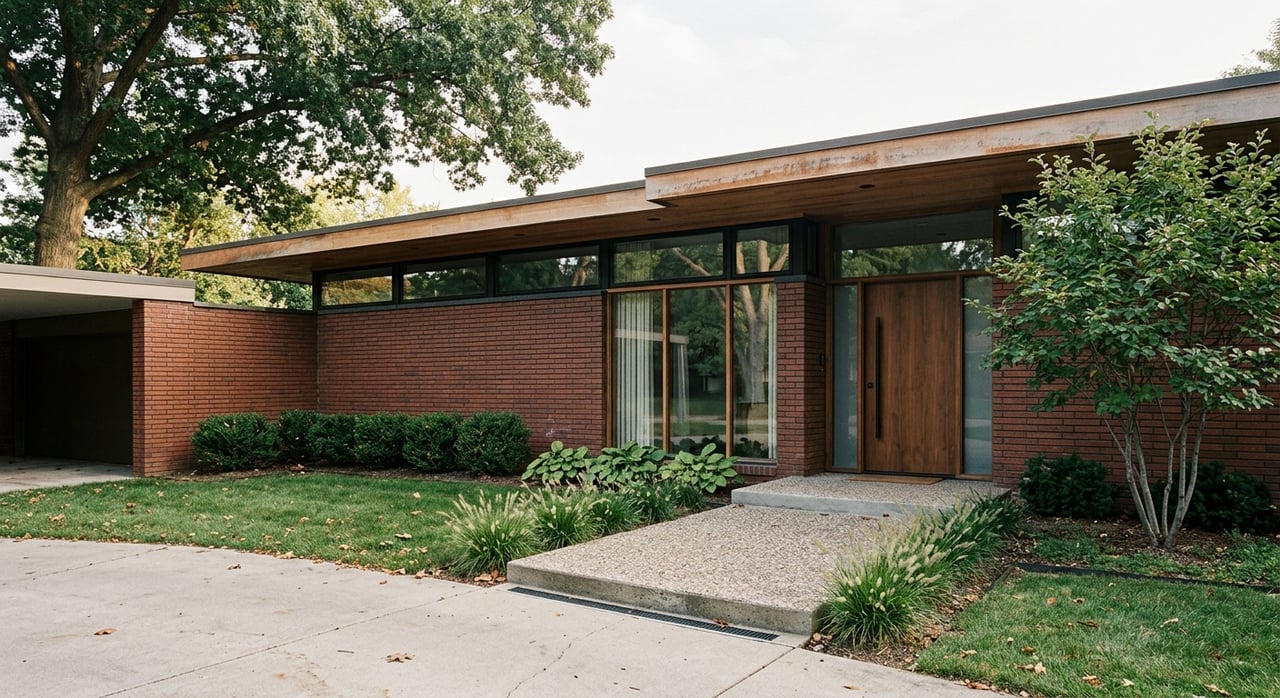
Buying A Mid-Century Modern Home In Highland Park
May 7, 2026
May 7, 2026
Dreaming about walls of glass, clean lines, and a home that feels connected to the landscape? In Highland Park, buying a mid-century modern home can be exciting, but it also calls for careful research. You are not just buying square footage here. You are often buying design history, aging materials, and a site that may come with unique local rules. Let’s dive in.
Highland Park has the kind of setting that makes mid-century modern homes especially compelling. Ravines, bluffs, mature trees, and lakefront influence the way many homes sit on their lots and relate to the outdoors. That matters because mid-century design often depends on broad windows, low rooflines, and a strong connection between inside and outside.
The city also has a real modernist legacy. Local preservation records reference notable modern works in Highland Park, including the Ben Rose House and homes by George Fred Keck. For you as a buyer, that means architectural pedigree may matter almost as much as layout or bedroom count.
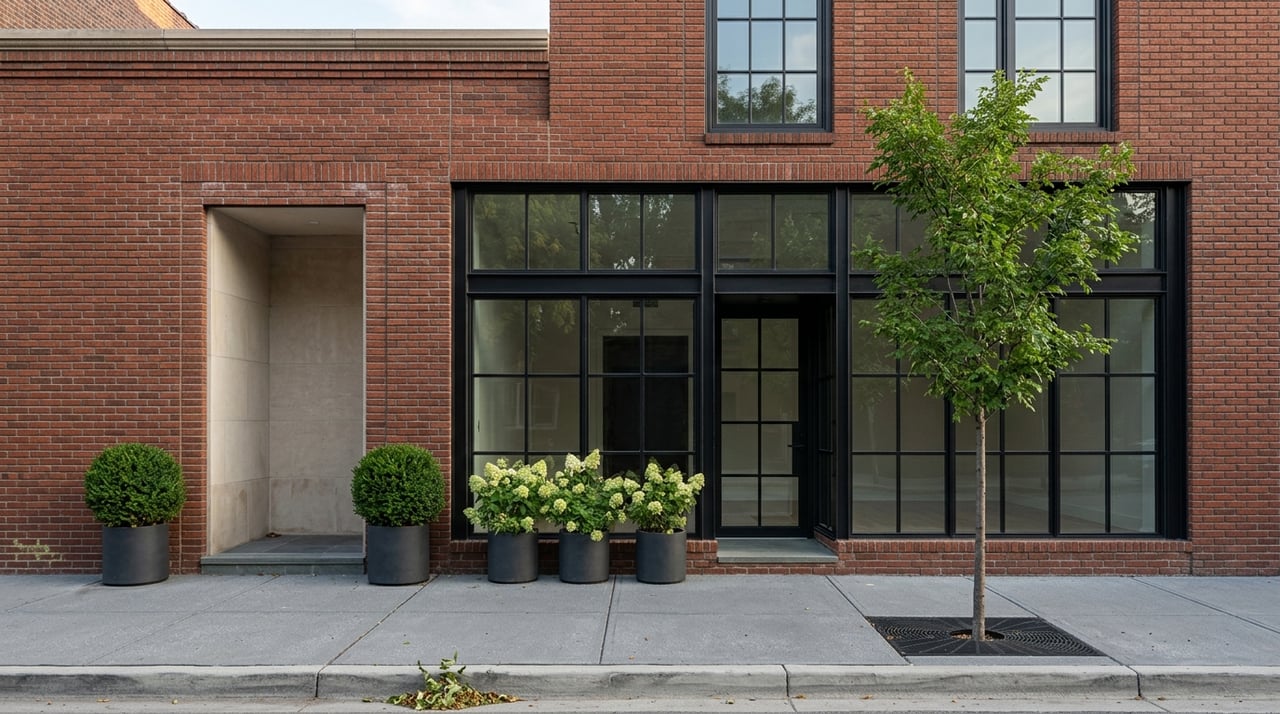
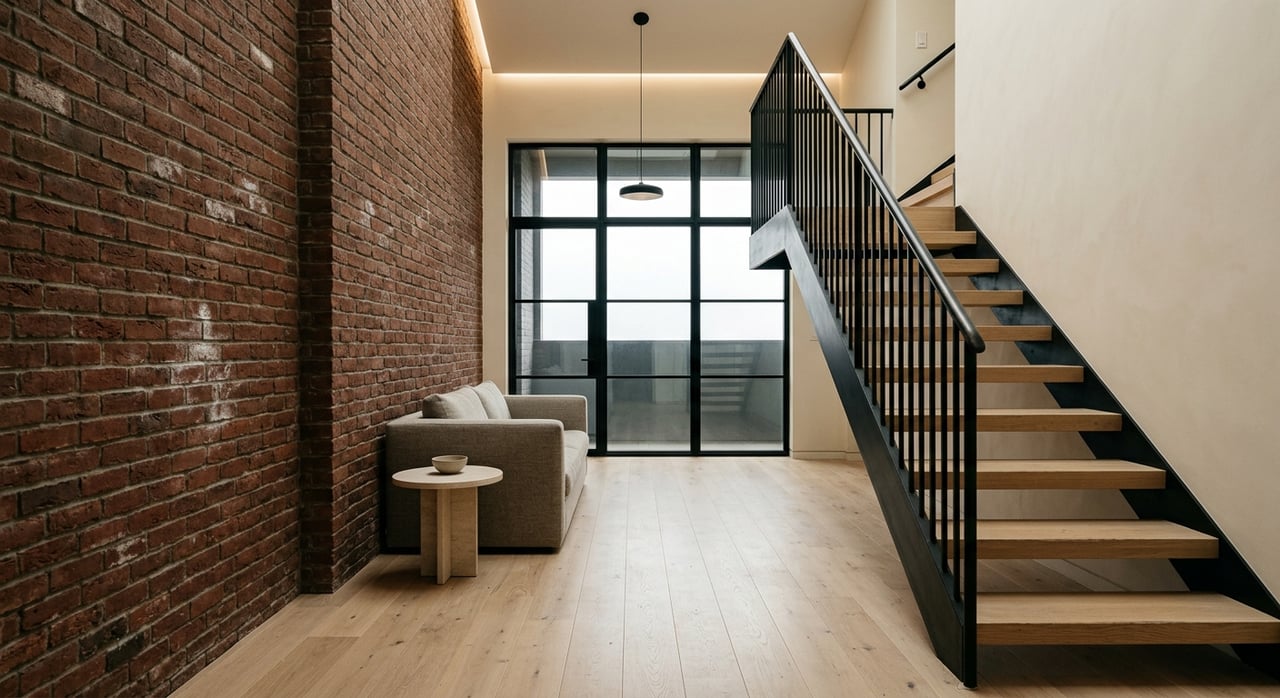
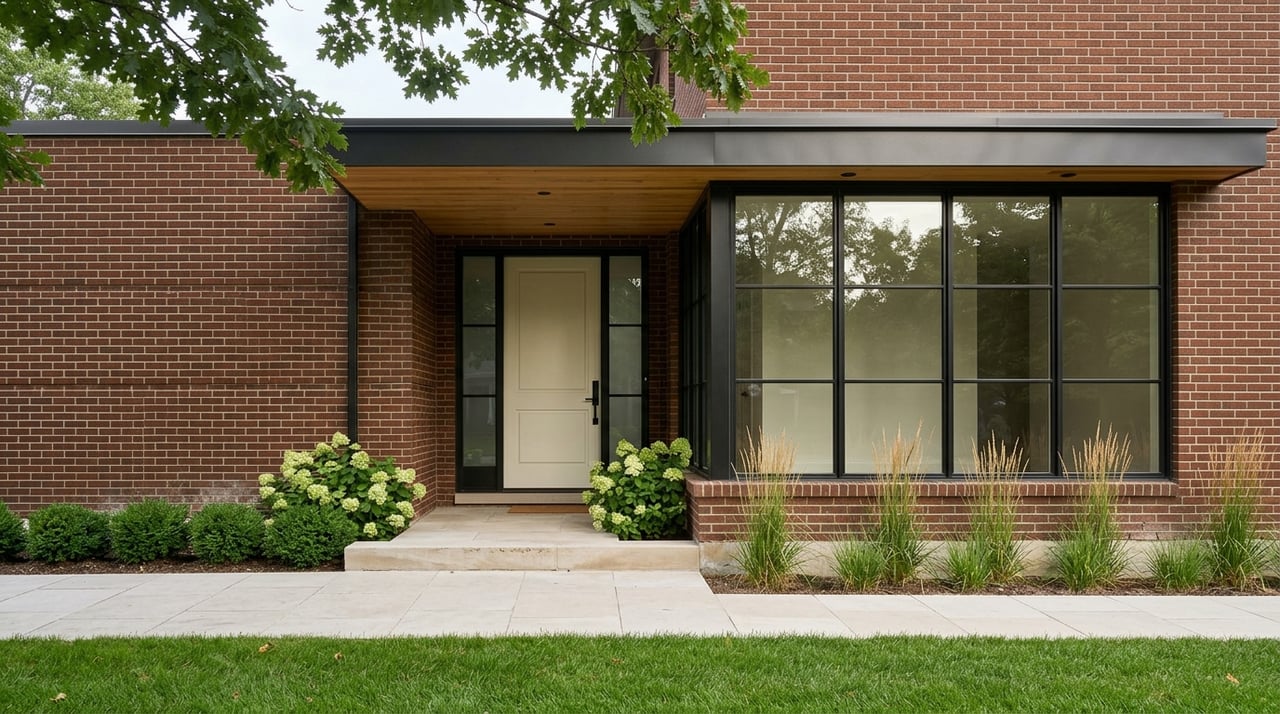
Mid-century modern homes are usually known for clean lines, simple forms, minimal ornament, and open interiors. You will often see flat or low-pitched roofs, large expanses of glass, and materials that are meant to be seen rather than covered up. The structure and proportions are often a big part of the home’s appeal.
In Highland Park, these features can make a home feel striking and timeless. They can also create practical questions about maintenance, comfort, and long-term preservation. A beautiful original design is a major asset, but only if you understand how the home has aged.
If you are shopping in Highland Park, it helps to know you are entering a competitive market. Redfin reported a median sale price of $763,000 in March 2026, with homes selling in about 42 days and receiving two offers on average. Zillow reported an average home value of $751,001 and a median list price of $759,783 as of March 31, 2026, though those figures use different methods and should not be compared directly.
For mid-century buyers, the takeaway is simple. Homes that combine original character with functional updates can move quickly. Broader Highland Park market trends also show strong demand for office areas and flex rooms, which is useful because many mid-century layouts already offer adaptable living space.
It is easy to fall for the architecture first. A dramatic roofline, original built-ins, or a wall of glass can make a strong first impression. Still, older modern homes need to be evaluated as both design objects and working systems.
That means you should look closely at the roof, windows, insulation, air sealing, plumbing, and permit history. In Highland Park, you should also pay close attention to the lot itself. Site conditions can have a major impact on cost and future plans.
Many mid-century homes have flat or low-slope roofs. These roof systems can require more specialized maintenance than conventional pitched roofs. You will want to know when the roof was last replaced, what type of system is in place, and whether there have been recurring drainage or leak issues.
In Highland Park, this matters even more because some properties sit on sloped or wooded lots. Water movement, grading, and drainage can affect both the house and the land around it. A strong inspection process should account for both.
Original windows are often central to a mid-century home’s look. They also may perform poorly compared with newer energy-efficient options. The U.S. Department of Energy notes that older windows generally do a poor job of insulating, while good air sealing can reduce drafts, moisture issues, insects, and utility costs.
As a buyer, you want to understand whether the home has been improved for comfort without losing its design integrity. Ask whether windows, insulation, and air sealing have been updated, and whether that work respected the original character of the home.
Water service is one of the easiest things to overlook. EPA guidance notes that lead service lines were installed primarily from the late 1800s through the 1940s, and lead can also come from some fixtures and plumbing materials. The key issue is not just what you can see inside the house, but also the material connecting the home to the water main.
Before you buy, ask whether the service-line material has been confirmed by the water utility or a licensed plumber. This is a practical question that can affect both safety planning and future replacement costs.
Many mid-century homes predate 1978, which means lead-based paint may be present. EPA also notes that asbestos can be found in insulation, floor tiles, roofing shingles, siding, and other materials. These substances are especially important if you plan to renovate soon after closing.
That does not mean every older home is unsafe. It means you should understand what is present, what condition it is in, and what might be disturbed during repairs or remodeling. If updates are likely, qualified professionals should be part of your due diligence.
Highland Park adds local site rules that matter for many mid-century properties. The city requires a permit for removal of trees greater than 8 inches in diameter at breast height, and some construction projects require a tree-preservation plan. The city also says buyers should verify whether a lot is a Lake Bluff or Ravine site and comply with the Steep Slope Ordinance when applicable.
For you, this means the lot is not just background scenery. Trees, roots, retaining walls, drainage paths, and grading can all affect what you can change and what it may cost to maintain.
Some Highland Park homes may be locally designated landmarks or located in historic districts. According to the city, exterior alterations, construction, demolition, or removal that require a building permit may be reviewed by the Historic Preservation Commission. The city also notes that historic buildings or buildings in historic districts may need additional review for solar installations.
Before you make assumptions about future updates, verify the home’s status. That is especially important if you are considering window changes, additions, exterior redesign, or other visible modifications.
Highland Park provides an online permit inquiry system, which can be a very useful tool for buyers. Permit history can help you confirm whether major work appears to have been properly permitted. In a mid-century home, that may include roof replacement, additions, structural work, window changes, or exterior modifications.
This step can also help you compare city records with the seller’s disclosures. If something does not line up, you can ask better questions before moving forward.
A smart mid-century purchase starts with specific questions. Here are some of the most useful ones to ask:
With this type of purchase, the right experts can save you time and money. A practical team may include a home inspector, structural engineer for foundation or slope concerns, preservation-minded architect for exterior changes, licensed plumber for water-service questions, electrician for older panels or wiring, and qualified contractors if renovation may disturb lead-based paint or asbestos.
In Highland Park, it is also wise to involve the appropriate city departments early if you are considering future work. That can help you understand preservation, tree, and steep-slope requirements before your plans are set.
The best mid-century modern homes strike a balance between preserved character and everyday function. You may love original materials, but you also want comfort, durability, and usable space for how you live now. In Highland Park, that often means evaluating whether updates improved performance while respecting the home’s design.
This is where local market knowledge helps. A home that keeps its architectural identity while solving practical issues like insulation, drainage, and flexible living space can offer both enjoyment and resale appeal.
Buying a mid-century modern home in Highland Park is not just about taste. It is about process. When you combine careful inspections, permit review, local site research, and a clear understanding of what makes the house special, you can make a more confident decision.
If you are considering a design-driven home on the North Shore, the right guidance can help you evaluate both the architecture and the realities behind it. The Geoff Brown Team brings local North Shore insight and a thoughtful, high-touch approach to help you buy with clarity and confidence.
Stay up to date on the latest real estate trends.
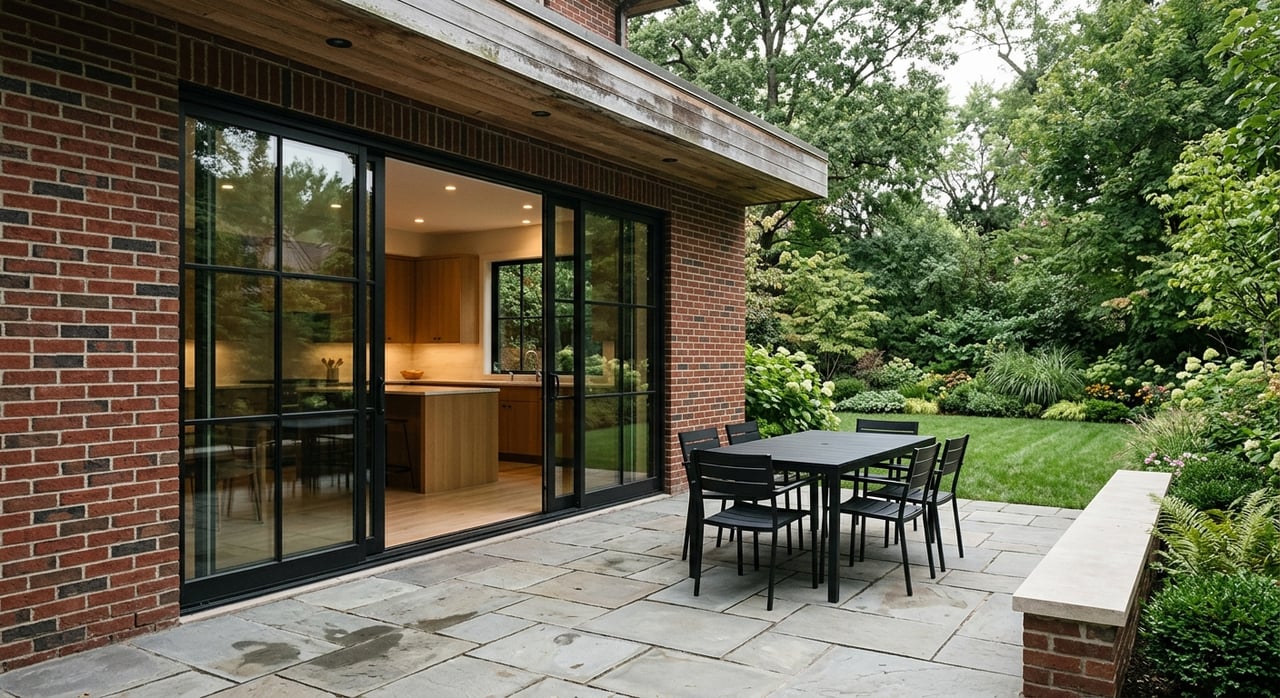
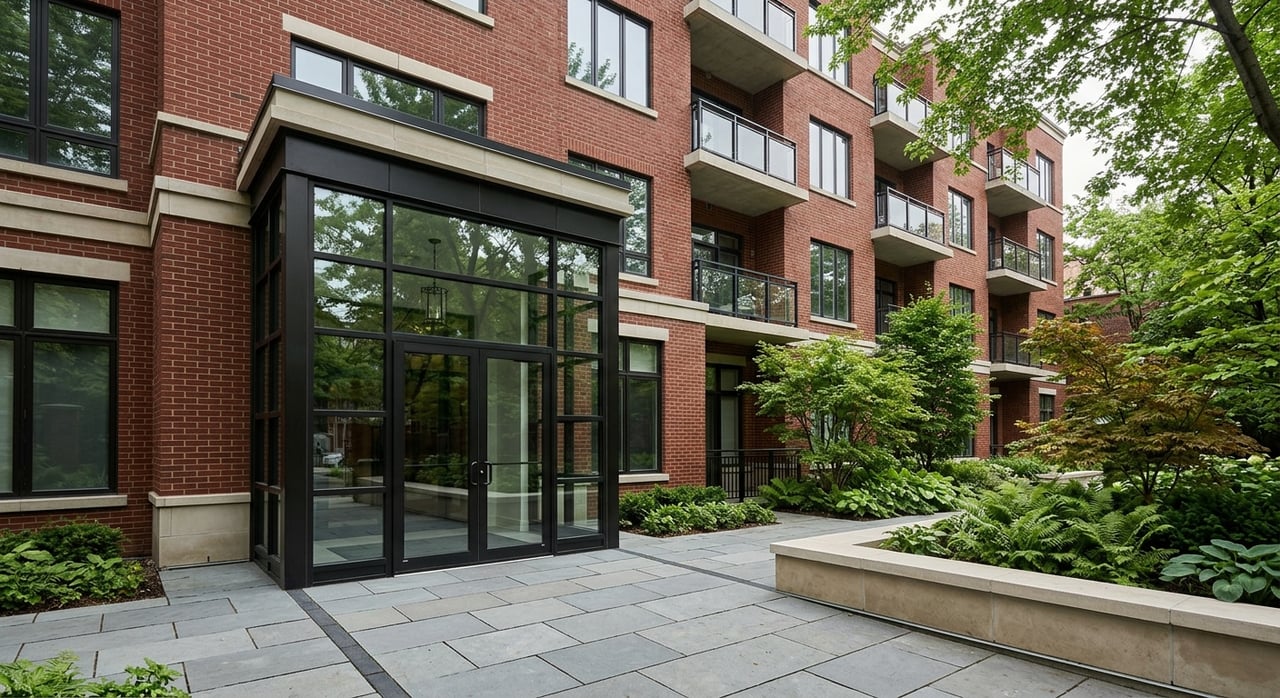
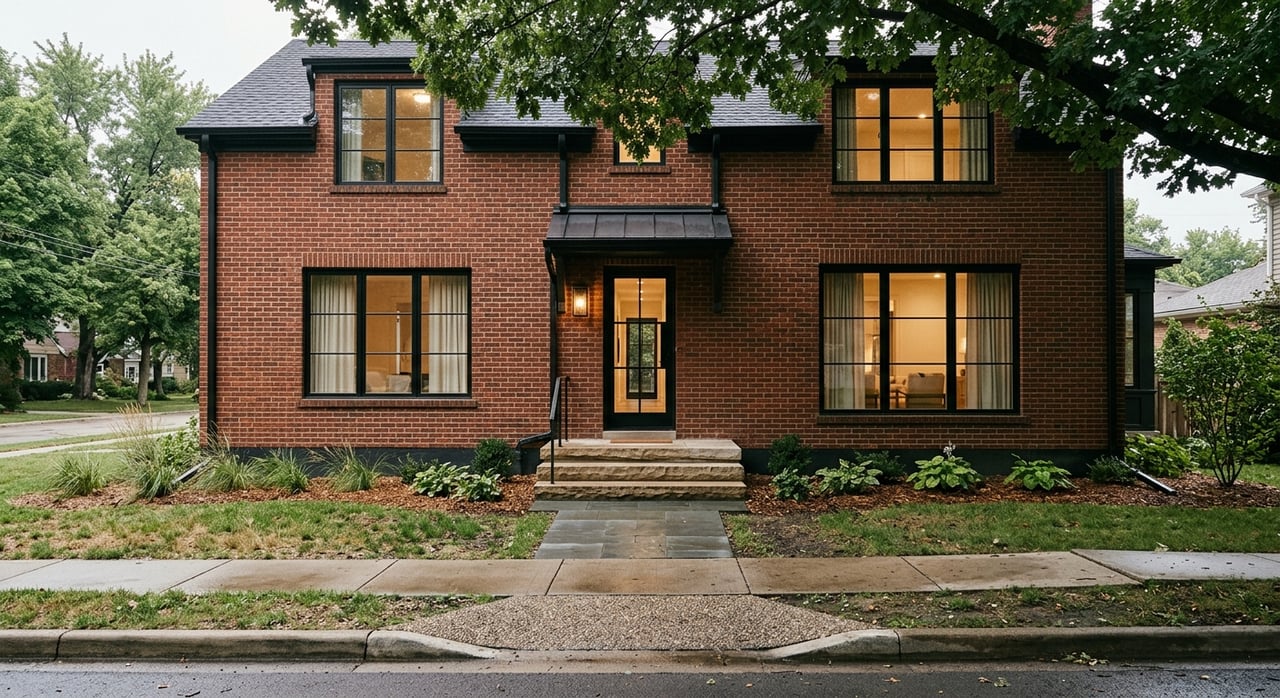
With personalized strategies and unmatched local insight, the Geoff Brown Team ensures every client’s transaction is smooth, successful, and stress-free.