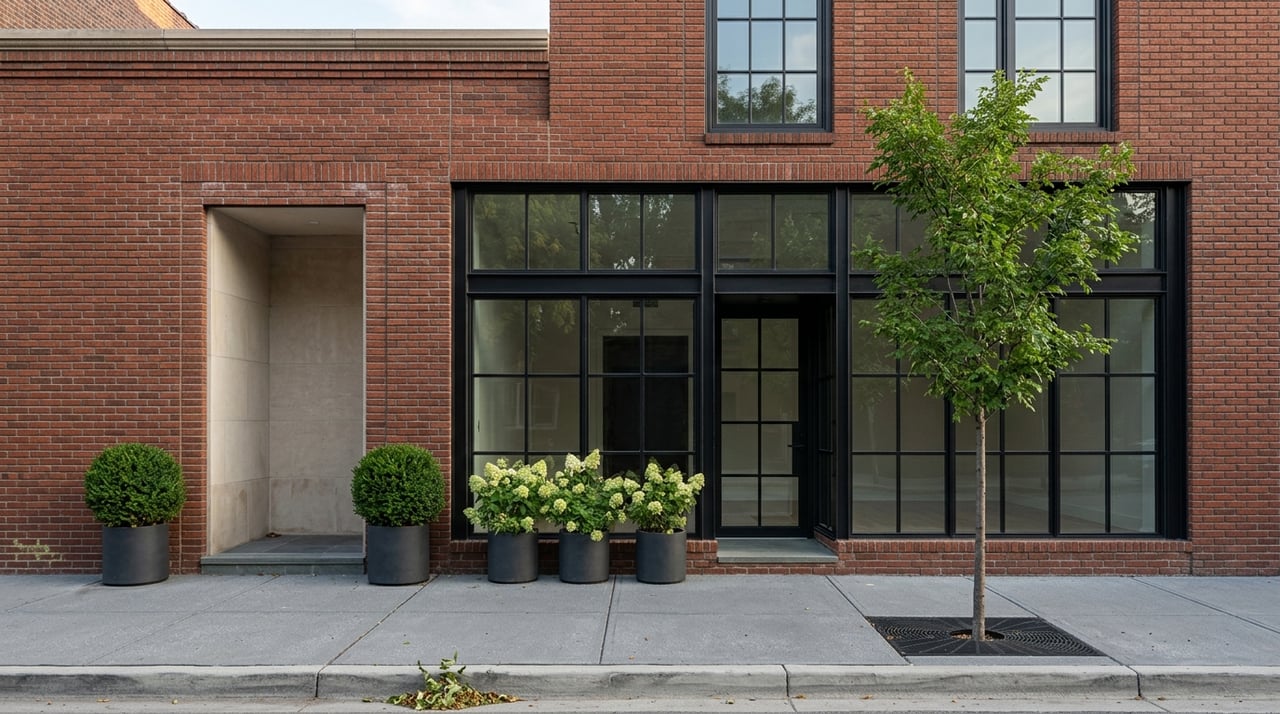
Highland Park At A Glance: Distinct Areas And Lifestyles
April 23, 2026
April 23, 2026
If Highland Park has ever felt hard to pin down, that is because it is. Rather than reading like one uniform community, it feels more like a collection of distinct pockets, each with its own pace, setting, and daily rhythm. If you are trying to decide where you might feel most at home, understanding those differences can make your search much clearer. Let’s dive in.
Highland Park stretches across 12.25 square miles along Lake Michigan, about 26 miles north of Chicago, and its geography shapes how different one area can feel from the next. According to city materials, the community is defined by dense woods, ravines, and lake-view bluffs, while local destination guides describe a mix of business districts, tree-lined streets, and lakefront trails.
That natural variety shows up in daily life. The Park District manages more than 800 acres across 44 park areas, with more than 250 natural areas and about 15 miles of walking and biking paths, which helps explain why one part of Highland Park can feel walkable and lively while another feels quiet and tucked away. In practical terms, Highland Park is less about one single vibe and more about choosing the pocket that fits your routine.
Downtown Highland Park is the city’s most urban-feeling area. The Downtown Highland Park Alliance describes it as an outdoor shopping district with boutiques, restaurants, personal care businesses, professional services, and national retailers, all within a central business district of about 106 acres and roughly 450 businesses.
For many buyers, the biggest draw is convenience. Downtown includes the Metra station, City Hall, the public library, the Art Center, the Community House, and Port Clinton Square, which sits at 600 Central Avenue between First and Second Streets. The city’s parking map also shows just how built around errands and access this part of town is.
If you want a lifestyle where you can step out for coffee, dinner, shopping, or the train without much planning, downtown tends to deliver that best. It is also one of the city’s most active event centers, with programming such as Taste of Highland Park, Stews & Brews, the Port Clinton Art Festival, seasonal markets, and holiday events, according to downtown district materials.
That energy is a plus for some buyers and a tradeoff for others. If you like an on-foot routine and do not mind periodic crowds, downtown can be a strong fit. If you prefer a quieter setting, you may find yourself drawn to the interior or more residential pockets instead.
Downtown often appeals to buyers looking for:
The Ravinia District offers a different kind of walkable environment. While it is also a commercial node, city materials describe it as a smaller-scale district east of Green Bay Road on Roger Williams Avenue, with restaurants, specialty shops, businesses, and high-end services.
What stands out most in Ravinia is its scale and mood. Compared with downtown’s broader commercial core, Ravinia feels more intimate and village-like. It also carries historic identity, with local materials noting its roots as an artists’ colony.
The district’s location and circulation help shape that feel. Visitors are encouraged to walk or bike along the Green Bay Trail, and the area is accessible by Metra, Pace, and car, with free parking available, according to the Ravinia District guide. That mix supports a more compact, neighborhood-centered routine.
Ravinia is also closely tied to one of Highland Park’s most recognizable cultural landmarks. Ravinia Festival says it opened in 1904 and now welcomes about 400,000 guests to more than 100 events each year, making the surrounding area more visitor-aware and arts-adjacent than many inland residential streets.
Both downtown and Ravinia support walkability, dining, and transit access, but they do not feel the same.
| Area | Overall Feel | Best Known For | Daily Rhythm |
|---|---|---|---|
| Downtown Highland Park | Broader, busier, more commercial | Shopping, errands, festivals, transit | More active and convenience-driven |
| Ravinia District | Smaller, historic, more intimate | Dining, specialty retail, arts adjacency | More village-like and event-aware |
The Sheridan Road shoreline creates one of Highland Park’s most distinct lifestyle zones. Living near the lake can shape your routine in ways that are both scenic and practical, especially during warmer months.
Rosewood Beach is the city’s guarded swimming beach and includes a nature cove, interpretive center, boardwalk, and restrooms. The Park District also notes access rules and lakefront parking decal requirements for vehicles in lakefront lots, which means lake access often comes with a bit more structure than inland park use.
It is also important to know that not every shoreline area works the same way. The Park District describes Millard Beach and Park as a passive, non-swimming beach area with more than 1,000 feet of shoreline and bluff, while Park Avenue functions as a boating facility and non-swimming area. Swimming is only permitted at Rosewood Beach.
That distinction matters if you are comparing homes near the water. Some lake-adjacent blocks offer a beach-centered routine, while others are better thought of as quiet shoreline, bluff views, or boating access. In all cases, the lake is part of everyday geography here, not a far-off destination. The Park District says Highland Park contains 10% of Illinois’ Lake Michigan shoreline, and downtown is less than one mile from Park Avenue Beach.
If you are considering a lake-adjacent area, your day-to-day experience may include:
Move farther inland, and Highland Park often feels quieter, greener, and more residential. The city’s North Central District plan, commonly referred to as the Highlands and Centennial Park neighborhoods, describes this area as largely residential, with parks, golf courses, quiet streets, large lots, and an emphasis on open space and neighborhood character.
This part of Highland Park is often what buyers picture when they want a more tucked-away setting. The same planning document notes that the area began as oak trees and farmland, which helps explain why so much of it still reads as wooded and less commercially active than downtown or Ravinia.
Nature access also plays a major role in the feel of these neighborhoods. Heller Nature Center includes 97 acres of oak-hickory forest, prairie, savanna, wetlands, and three miles of trails. Nearby amenities such as Sunset Woods Park and The Preserve of Highland Park further reinforce the area’s more nature-forward identity.
For some buyers, that tradeoff is ideal. You may give up some walk-to-retail convenience, but you gain a calmer setting, more open space, and a routine that feels less tied to visitor traffic or event activity.
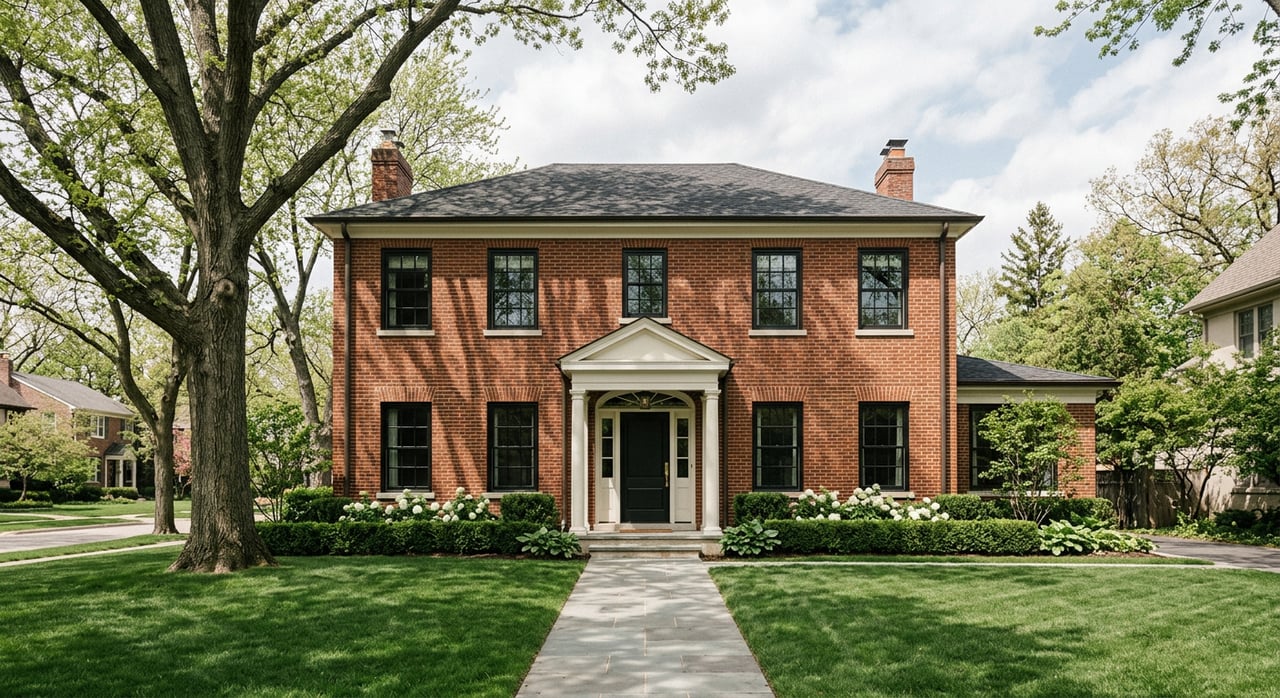
Highland Park’s identity is shaped by more than geography. Architecture and landscape design are also part of what makes the city feel layered and distinctive.
According to city history materials, early homes in Highland Park included Italianate, Second Empire, and other high Victorian styles. The city also identifies three local historic districts: Linden Park Place, Vine/Linden/Maple, and Belle Avenue.
That architectural story adds another lens for buyers. In some parts of Highland Park, the draw is the walkable routine or the lake. In others, it is the combination of mature landscape, established homes, and historic character that gives the area a stronger sense of place.
Ravinia’s hometown materials also point to homes designed by Frank Lloyd Wright and parks landscaped by Jens Jensen, reinforcing how built form and natural setting often work together here. If you value design, streetscape character, and a strong visual identity, Highland Park offers a lot of nuance from one pocket to the next.
When you look at Highland Park through a lifestyle lens, the city becomes easier to navigate. Each area has a different strength, and the best fit usually comes down to how you want your days to feel.
Here is a simple way to frame it:
If you are thinking about buying or selling in Highland Park, the right strategy starts with understanding how these micro-locations affect lifestyle, demand, and home value. The Geoff Brown Team brings deep North Shore perspective and high-touch guidance to help you evaluate what fits your goals and move with confidence.
Stay up to date on the latest real estate trends.
With personalized strategies and unmatched local insight, the Geoff Brown Team ensures every client’s transaction is smooth, successful, and stress-free.