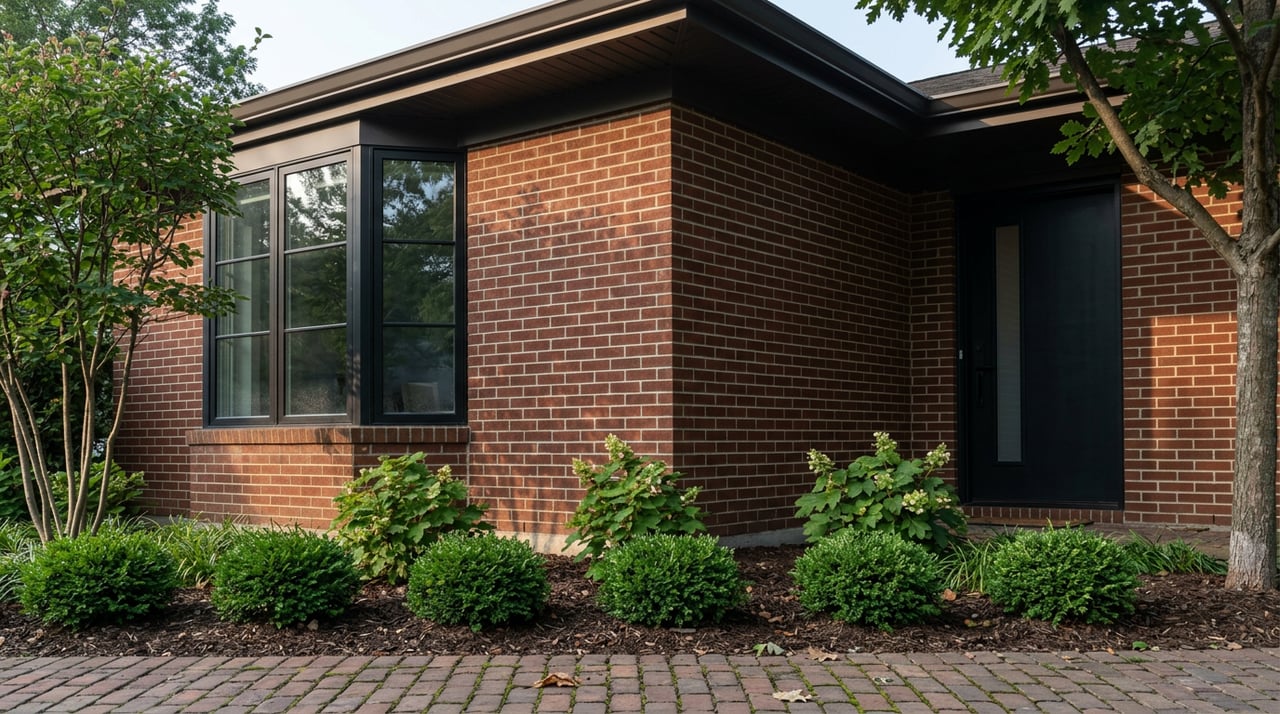
Your Wilmette Tax Bill Just Landed. It Isn't the Number You Were Braced For
September 3, 2026
September 3, 2026
A buyer we spoke with this month was three weeks from closing on a Wilmette four-bedroom and doing what most careful buyers do: running the numbers on the listing sheet one more time before signing. The taxes on that sheet read like a manageable line item. What the sheet didn't say is that the number belongs to the seller, not to the house, and that a chunk of it disappears the day the deed changes hands.
That gap between the tax bill printed on a listing and the tax bill a new owner will actually pay is easy to miss because of when it surfaces. This week, two things that Wilmette property owners usually experience months apart are arriving at the same time. The delayed 2025 second-installment tax bill, the one that finally reflects last year's New Trier Township reassessment, is landing in mailboxes by September 1. And the annual window to challenge next year's assessment with the Cook County Board of Review closes that same day. One number is locked. The other is still movable. Confusing the two costs people money.
When the Cook County Assessor's Office mailed reassessment notices to New Trier Township on April 23, 2025, the headline figure was stark: total assessed value across the township, which covers Wilmette, Winnetka, Glencoe, Kenilworth, and parts of Glenview and Northfield, grew 39% in a single reassessment cycle. That's the kind of number that sticks in a homeowner's head and shapes every conversation about taxes for the next three years, right up until the next reassessment in 2028.
It's also, on its own, close to meaningless for predicting what actually shows up on a bill. The Village of Wilmette said as much in its own notice to residents, explaining that an assessed-value increase doesn't automatically translate into a tax increase of the same size. Your bill depends on how your reassessment compares to everyone else's in your taxing district, and on the levy each local government sets independently. If your home's value rose in line with the township average, you can end up paying roughly your prior share, even after a 39% jump on paper.
Countywide reporting bears that out. Cook County Treasurer Maria Pappas's office found that the group of townships reassessed in this cycle, New Trier among them, saw the largest jump in actual billed taxes of any group in the county, and that increase came in at nearly 10%, an aggregate $360 million across those townships. That's the number that matters to a household budget. It's a quarter of the size of the assessment increase that generated it.
Second-installment bills in Cook County normally mail by July 1 and come due August 1. This year they didn't, because the county has been working through an overhaul of the technology behind its property tax system, and that overhaul pushed the mailing back roughly two months. The Tax Year 2025 second-installment bills, the ones carrying the New Trier reassessment for the first time, became viewable online in mid-August and are being mailed by September 1, with payment due October 1.
That bill is already final. Any appeal that could have changed it needed to happen back in 2025, during the reassessment-year window.
What's still open right now is a different appeal, for a different tax year. Cook County allows an annual challenge to your assessment even in years when your township isn't up for full reassessment, and New Trier is one of the first townships in the county to have that window open this fall. According to reporting from the Chicago Sun-Times and WBEZ in the past two weeks, New Trier, along with Evanston, Norwood Park, Oak Park, River Forest, Riverside, and Rogers Park townships, has until September 1 to file with the Board of Review for Tax Year 2026, with an extended window through September 11 to submit supporting evidence. That filing won't touch the bill arriving in your mailbox this week. It will shape the bill that arrives in 2027.
Here's the calendar in one place:
| Milestone | Date |
|---|---|
| New Trier reassessment notices mailed | April 23, 2025 |
| Assessor-level appeal deadline (Tax Year 2025) | June 5, 2025 |
| Tax Year 2025 second-installment bills mailed | By September 1, 2026 |
| Tax Year 2025 payment due | October 1, 2026 |
| Board of Review window closes (Tax Year 2026) | September 1, 2026 |
| Board of Review evidence deadline (Tax Year 2026) | September 11, 2026 |
| Next full New Trier reassessment | 2028 |
The reason the second-installment bill carries the full weight of a reassessment, rather than spreading it evenly across both halves of the year, comes down to how Cook County calculates the first installment. Reporting from the Evanston RoundTable notes that second-installment bills make up about 45% of a property's annual tax burden, adjusted for whatever changed from the year before, including a new reassessment. The first installment is essentially an estimate based on the prior year. The second installment is where reality catches up, all at once.
The Homeowner Exemption is the most common property tax break in Cook County, reducing a home's equalized assessed value by $10,000 and saving the average owner roughly $950 a year. It auto-renews for owners who keep their homes. It does not transfer with a sale.
Eligibility for the exemption in a given tax year requires that you owned and occupied the property as of January 1 of that year. A buyer closing on a Wilmette home partway through 2026 wasn't the owner of record on January 1, 2026, which means that buyer generally won't qualify for the exemption until Tax Year 2027, reflected on a bill that arrives in 2028. The tax figure on the listing sheet, the one the seller has been paying, almost certainly includes a $10,000 EAV reduction that the new owner won't have for a full cycle.
Three things worth checking before closing on a Wilmette home:
Owners who realize a past exemption never showed up on a bill aren't out of luck. Cook County's Certificate of Error process lets homeowners redeem missing exemptions retroactively for tax years 2021 through 2025.
New Trier Township's own numbers from the 2025 reassessment cycle offer a realistic baseline for anyone weighing whether to file for Tax Year 2026. Of 13,992 assessor-level appeals filed in the township that year, 4,018 won some change, a success rate just under 29%, with assessed values falling about 3% on average among those that succeeded. That's not a dramatic swing, but for a home carrying a six-figure assessed value, a few percentage points is real money over a three-year cycle.
The strongest appeals rest on the same two arguments the Assessor's own guidance points to: a lack of uniformity, meaning comparable homes nearby are assessed lower, or overvaluation, meaning the estimated market value exceeds what the property could actually sell for, backed by recent closing statements or comparable sales. An incorrect property characteristic, wrong square footage or a misclassified structure, is the third and often the cleanest to prove.
One more thing worth filing away for later, even if it doesn't apply to this year's window: the Board of Review has told property owners that storm damage from this year, even damage that didn't make a home unlivable, could factor into a future assessment appeal if documented now with photos, insurance records, and contractor estimates. That evidence won't help a Tax Year 2026 appeal, but it could matter for Tax Year 2027.
Because New Trier's next full reassessment isn't until 2028, the assessed value set last year is effectively the baseline for the next three tax years, adjusted only by whatever the annual Board of Review process changes and whatever local levies do in the meantime. That makes this year's finalized number a genuinely useful planning anchor, not just a one-time shock to absorb.
If you're selling, the more useful move is putting the actual equalized assessed value, exemption status, and multi-year tax history in front of buyers early, rather than letting them discover the exemption gap on their own during underwriting. If you're buying, budget from the assessed value and your own exemption timeline, not from the number printed on the listing sheet. If you're neither, right now is simply the moment to decide whether this year's assessment, even though it's not a reassessment year, is worth a fresh look before the window closes.
Does the Homeowner Exemption transfer when I buy a house? No. It resets at closing, and the buyer typically doesn't qualify until the tax year following the year they took occupancy.
If I miss the September 1 Board of Review deadline, do I lose my only chance? For Tax Year 2026, yes, that specific window closes. Cook County allows an annual appeal, so another opportunity opens for Tax Year 2027, though a missed year isn't retroactively recoverable except through the separate Certificate of Error process for exemption errors.
Does a 39% assessment increase mean my tax bill went up 39%? Not necessarily. Your bill depends on how your assessment moved relative to other properties in your taxing district and what each local levy did, which is why the group of reassessed north suburb townships saw actual bill growth closer to 10%.
When's the next full reassessment for Wilmette? 2028, under Cook County's triennial cycle for New Trier Township.
Property taxes rarely make or break a Wilmette sale, but they shape the conversation at every showing and every closing table, and the details above are easy to get wrong under a deadline. If you're weighing a sale this fall and want a clear-eyed read on how your home's assessment, exemption status, and tax history will look to a buyer, the Geoff Brown Team can walk through it with you and put together a free home valuation that accounts for what's actually on your bill, not just what's on the reassessment notice.
Stay up to date on the latest real estate trends.


With personalized strategies and unmatched local insight, the Geoff Brown Team ensures every client’s transaction is smooth, successful, and stress-free.