Thinking about buying or selling in Evanston but confused by how prices and speed vary from block to block? You are not alone. Evanston is a city of micro-markets where the same budget can buy very different homes depending on location, housing type, and vintage. In this guide, you will learn how central, northwest, and lake-adjacent areas compare, what drives value, how seasonality affects your timing, and what steps to take next. Let’s dive in.
Evanston’s micro-markets at a glance
Evanston is best understood as three overlapping micro-markets. Knowing which one fits your goals will help you price, prepare, and negotiate with confidence.
Central Evanston: Downtown and NU corridor
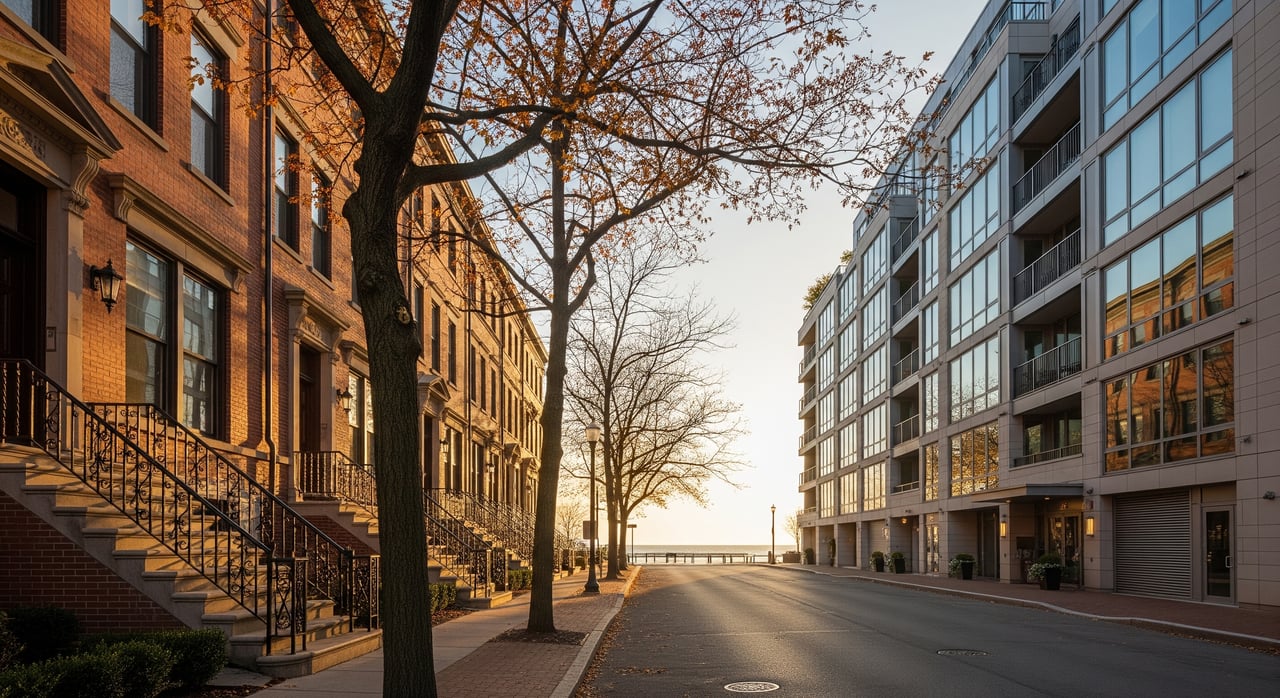
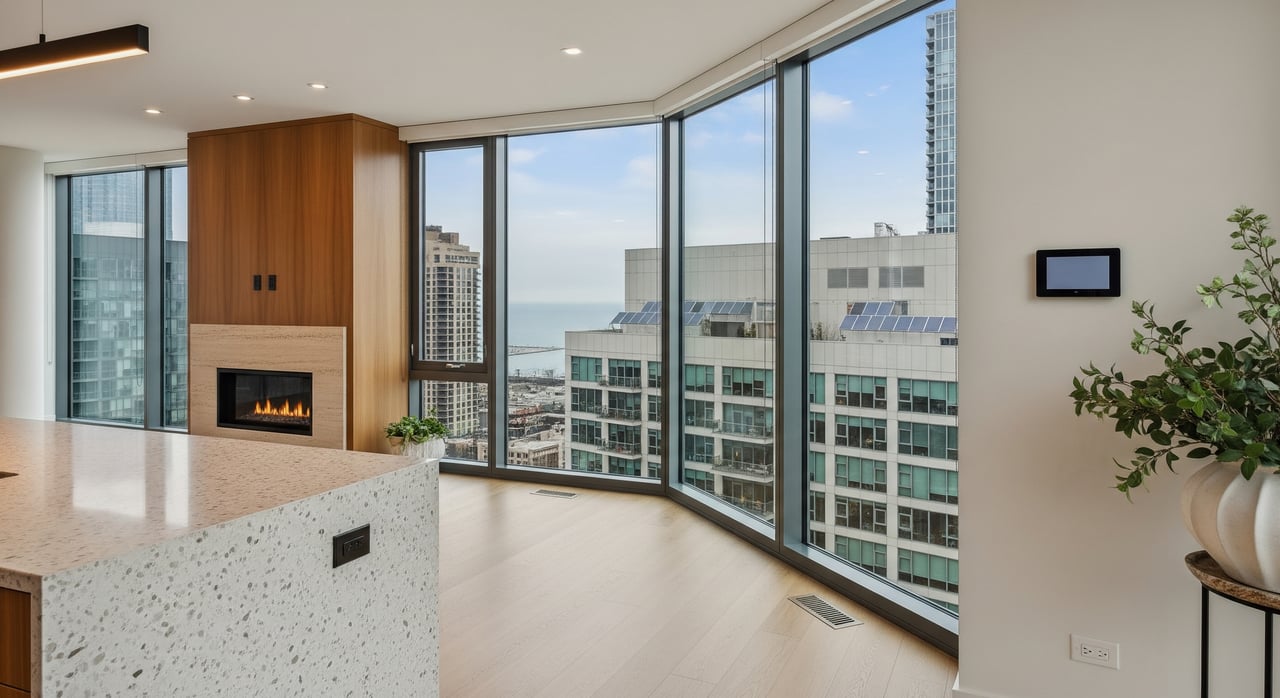
Central Evanston offers a high concentration of condos and co-ops in mid- and high-rise buildings, along with smaller single-family lots and attached housing. You will find walkable retail on Chicago Avenue, Sherman Avenue, and Main Street, plus ready access to the CTA Purple Line and Metra.
- Who it suits: downsizers, young professionals, graduate students, and investors.
- What drives demand: transit access, walkability, restaurants, shops, and proximity to Northwestern University.
- Price behavior: newer or fully renovated condos often achieve higher prices per square foot. Entry-level condo supply can shift quickly with the season and the academic calendar.
- What to watch: HOA dues and reserve health, parking availability, rental rules for condos and co-ops, and any short-term rental limits.
Northwest Evanston: Inland residential streets
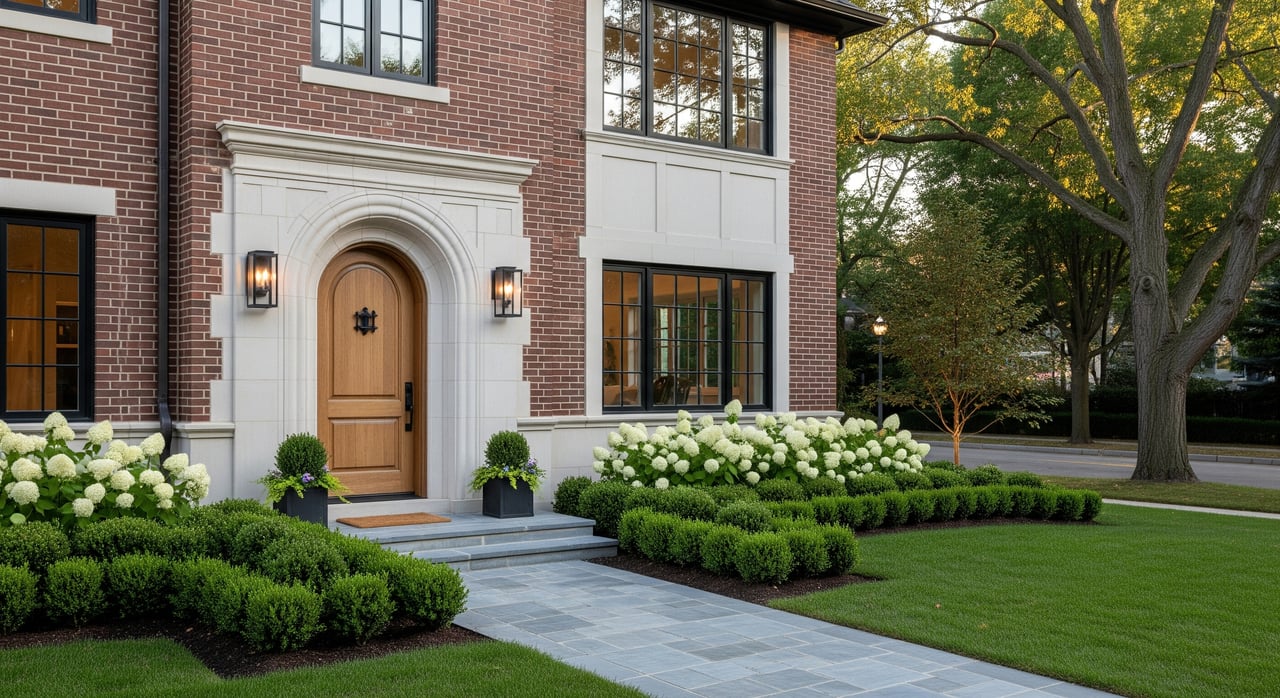
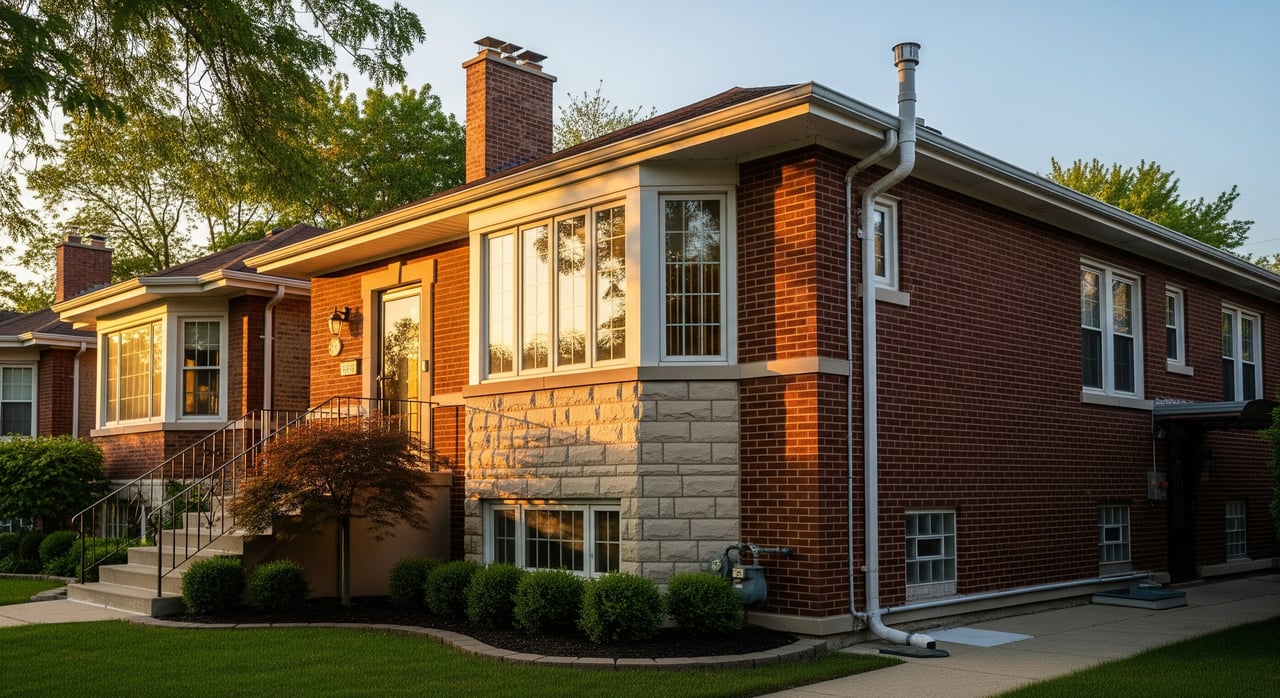
Northwest Evanston is dominated by detached single-family homes on larger lots. You will see tree-lined streets and an architectural mix that includes early 20th-century bungalows, greystones, brick Colonials, and mid-century homes.
- Who it suits: buyers seeking more interior space and private yards.
- What drives demand: lot size, quiet streets, parks, and school considerations.
- Price behavior: wider price dispersion tied to lot size, renovation level, and expansion potential. Older homes may trade lower than fully updated ones but can require significant work.
- What to watch: budget for systems upgrades in vintage homes, review zoning if you plan an addition, and understand the property tax impact on total monthly costs.
Lake-adjacent Evanston: Sheridan Road and the lakefront
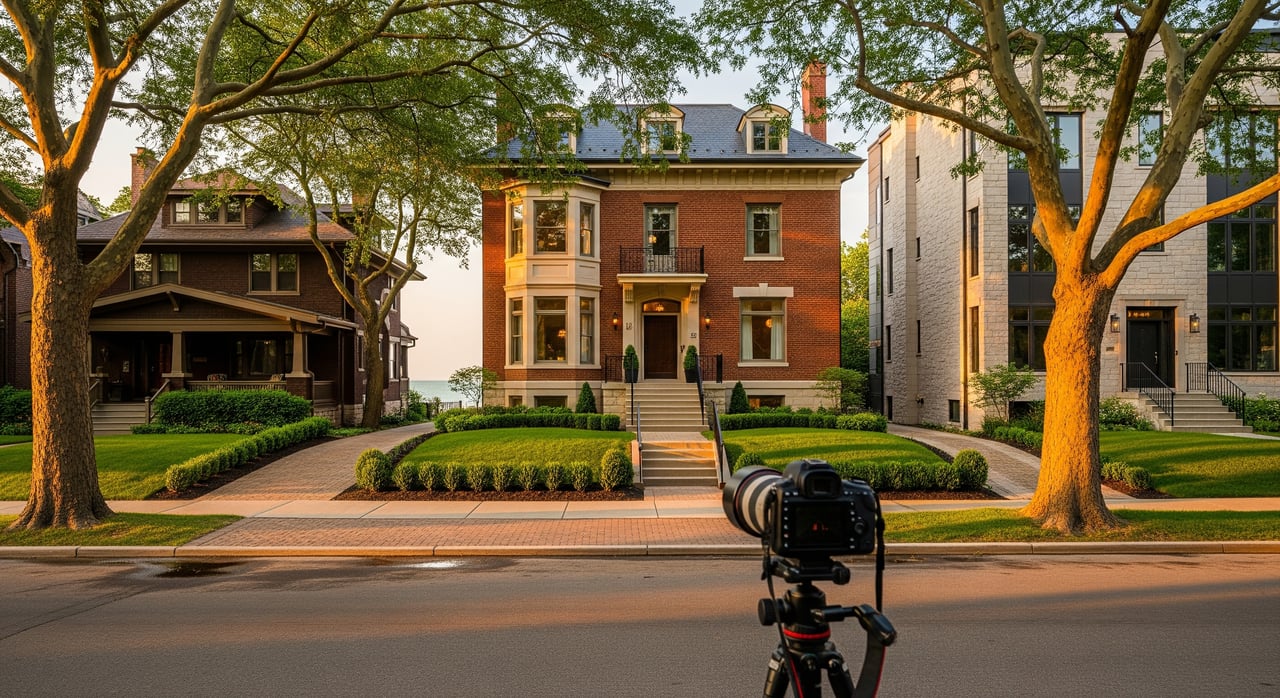
Along the lake you will find a mix of high-end single-family homes, historic houses, and luxury condos. Premiums reflect lake views, terrace space, and immediate park and beach access.
- Who it suits: buyers who value scenic views, lakefront paths, and a prestige address.
- What drives demand: unobstructed views, proximity to parks and beaches, and cultural assets nearby.
- Price behavior: typically the highest price per square foot in Evanston, with low turnover that keeps inventory tight and prices stable.
- What to watch: maintenance exposure from wind and salt, and confirm any flood, erosion, insurance, or public beach access easement considerations.
Housing type and vintage: What changes value
Your total cost and maintenance expectations can differ a lot by property type and age.
Condos and co-ops
Condos and co-ops are concentrated in central and lake-adjacent areas. Value depends on unit size, floor level and views, building amenities, monthly dues, reserve strength, and rental rules. Condos can offer a lower entry price than single-family homes, but carrying costs can be higher due to HOA dues and potential special assessments.
What to review:
- Monthly dues and recent increases
- Reserve study and special assessment history
- Rental and leasing policies
- Parking, storage, and building amenities
Single-family homes
Single-family homes deliver yard space and privacy. Value is tied to lot size, layout, bedroom and bathroom count, and whether additions are allowed. Many homes date to the late 19th and early 20th century, so plan for system updates even when interiors are charming.
What to review:
- Electrical, plumbing, and HVAC age and permits
- Roof, windows, foundation, and drainage
- Zoning limits on additions or garages
- Property tax history and reassessment timing
Townhouses and rowhomes
Townhouses can bridge the gap between condos and single-family homes. They often provide more interior space than a condo and lower exterior maintenance than a detached home. You will find them in select infill or renovation pockets.
What to review:
- Association scope of maintenance vs. owner responsibility
- Dues, reserves, and any shared infrastructure
- Parking and outdoor space
New construction and infill
New builds are limited due to lot scarcity, zoning, and historic preservation. When available, they command a premium for modern layouts, energy efficiency, and lower near-term maintenance.
What to review:
- Builder reputation and warranty
- Energy features and operating cost savings
- Compliance with local zoning and any preservation review
What drives prices and demand
Several factors consistently explain why two similar homes can sell very differently in Evanston.
- Transit access: Proximity to CTA Purple Line stations and Metra supports demand, especially for commuters and students.
- Walkability and retail: Downtown corridors and everyday amenities can boost value and reduce time on market.
- Schools: Families consider public school options, including Evanston/Skokie District 65 and Evanston Township High School, when deciding where to buy.
- Lot size and private outdoor space: Larger lots and usable yards often yield stronger resale for single-family homes.
- Zoning and preservation: Local zoning rules and historic preservation controls can limit exterior changes and development potential, which affects value and renovation timelines.
- Taxes and carrying costs: Cook County property taxes shape monthly budgets. For condos, HOA dues play a similar role.
- Investor vs. owner-occupier mix: Near Northwestern, a higher share of investor-owned properties can influence rental dynamics and seasonal availability.
Seasonality and inventory patterns
Understanding timing can help you capture better opportunities and negotiate more effectively.
Spring leads, winter slows
Spring, especially March through May, is typically the busiest season for listings and buyer activity. Summer often stays active. Late fall and winter slow down, with the holidays and January to February usually the quietest period.
Condos vs. single-family turnover
- Condos: Inventory can swing quickly. Smaller units near campus may draw multiple offers in peak months and see higher rental interest as the academic calendar turns.
- Single-family: Turnover is slower. Move-in ready homes are often in short supply, and competition can be strong when a well-presented property comes to market.
Days on market and negotiation
Desirable micro-markets and renovated units usually sell faster and closer to asking price. Older or unrenovated homes, and those farther from transit, may take longer and require more price adjustments.
Rent and lease calendar
Rental demand often peaks in late summer along with the university calendar. Investors should align marketing plans to that cycle.
What this means for you
The right strategy depends on your location, property type, and timing. A few practical rules of thumb can keep you on track.
If you are buying
- Get hyper-local comps: Ask for closed sales from the past 3 to 6 months in your specific micro-neighborhood, not citywide averages.
- Budget beyond the purchase price: Include Cook County taxes, insurance, HOA dues if applicable, and a reserve for vintage home maintenance.
- Test your commute: Visit during peak hours and note transit options, bike routes, and parking.
- Inspect with vintage in mind: Plan for electrical, plumbing, HVAC, and envelope updates in older homes; review permits and records for past work.
- Review condo associations thoroughly: Read bylaws, minutes, reserve studies, and rental policies before you write an offer.
If you are selling
- Know your submarket: In single-family areas, updated kitchens and baths, layout flow, and yard usability draw buyers. In condo buildings, parking, amenities, and reserve strength matter.
- Time your launch: Spring is often best, but well-prepared lakefront and fully updated homes can perform year-round.
- Prepare with intent: Light renovations, repairs, and staging can lift your sale price. Prioritize items that improve first impressions, photos, and function.
- Price with precision: Use recent neighborhood comps, sale-to-list ratios, and days on market to set realistic expectations and reduce the need for later reductions.
Your next research steps
Use these steps to build a clear plan and avoid surprises.
- Pull recent comps: Ask a trusted local agent for MLS sales in your micro-neighborhood from the last 3 to 6 months, including price per square foot and days on market.
- Check property taxes: Review the Cook County Assessor and Treasurer records for tax history and any reassessment.
- Review HOA documents: For condos and townhomes, request bylaws, meeting minutes, reserve studies, special assessment history, litigation disclosures, and rental rules.
- Inspect vintage homes: Conduct a thorough inspection and obtain estimates to bring systems to current standards.
- Confirm zoning and permits: Consult the City of Evanston planning and zoning resources if you plan additions or exterior changes. If in a historic district, confirm any preservation review.
- Review school information: Visit Evanston/Skokie School District 65 and Evanston Township High School resources for current boundary and public reporting.
- Align to the calendar: If you are an investor, plan leasing around the university cycle. For buyers and sellers, consider spring for maximum activity.
- Get local insight: Talk with agents who specialize in your target micro-market to understand block-level trends and buyer preferences.
A strategic plan that fits your micro-market will help you move with confidence. If you want guidance tailored to your block, housing type, and timing, connect with the Geoff Brown Team for neighborhood-level strategy, pricing, and preparation.
FAQs
How do Evanston’s central, northwest, and lakefront areas compare on price?
- Lake-adjacent homes typically command the highest prices per square foot, central areas offer a mix from entry-level condos to premium units, and northwest neighborhoods show wider pricing tied to lot size and renovation level.
What should condo buyers near Northwestern watch for?
- Review HOA dues, reserve health, special assessments, and rental rules. Demand can be strong near campus and transit, but building policies and seasonality affect both renting and resale.
Are historic Evanston homes harder to maintain?
- Many offer character and great locations, but you should expect higher maintenance and renovation needs for systems. Preservation rules may limit exterior changes, so plan timelines and budgets accordingly.
When is the best time to list a home in Evanston?
- Spring often brings the most buyers and inventory. That said, updated or uniquely located homes, including lakefront, can perform well year-round with the right preparation and pricing.
What extra costs should Evanston buyers budget for beyond the mortgage?
- Plan for closing costs, Cook County property taxes, homeowner’s insurance, possible HOA dues, and maintenance or upgrades, especially in older homes.
How fast do condos and single-family homes sell in Evanston?
- Renovated homes and desirable micro-markets tend to sell faster and closer to asking price. Older or less connected locations can stay on the market longer and see more price adjustments.