Evanston Condos vs Townhomes: Choosing Your Next Home
February 5, 2026
February 5, 2026
Torn between a condo and a townhome in Evanston? You are not alone. With lakefront living, a quick commute, and a vibrant downtown, both options can fit your lifestyle and budget in different ways. In this guide, you will learn how ownership, maintenance, costs, financing, and neighborhood fit differ so you can make a confident choice. Let’s dive in.
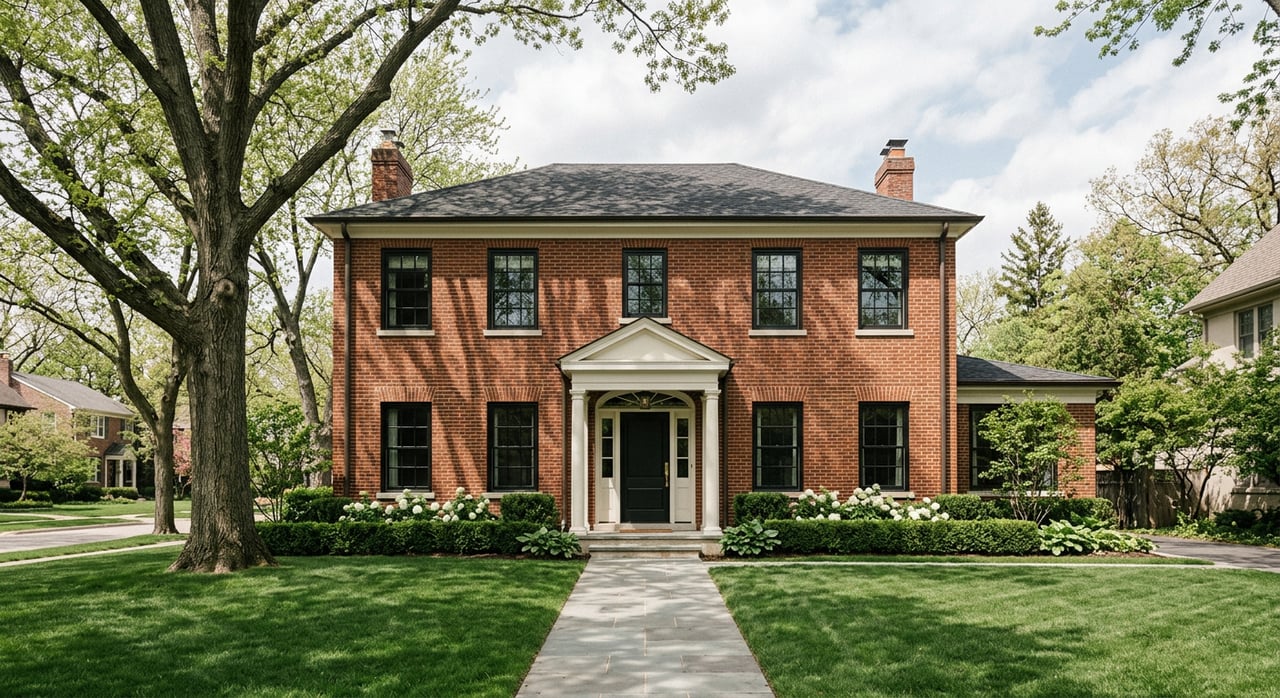
In a typical condominium, you own the interior of your unit and share ownership of common elements like the roof, exterior, hallways, and landscaping. In a townhome, ownership can be set up two ways. Some townhomes are fee-simple, which means you own the structure and the land, similar to a single-family home. Others are condo-structured, where an association manages exteriors and common areas.
Both condos and many townhomes have an association that handles rules, budgets, and maintenance. Condominium associations are governed by recorded documents and the Illinois Condominium Property Act. Townhome associations vary widely, from light-touch landscaping and snow removal to full exterior maintenance. Always compare the recorded documents, budget, reserves, rules, and meeting minutes before you buy.
If you own a condo, exterior or structural changes generally need association approval. Fee-simple townhome owners usually have more freedom to alter exteriors, subject to local zoning and any historic district rules. Whether condo or townhome, review the rules and any historic preservation requirements before planning improvements.
Condo dues often run higher because more services are included. Fees can cover exterior maintenance, building insurance, landscaping, snow removal, elevator upkeep, and sometimes utilities. Townhome dues may be lower, especially in fee-simple communities, but you could be responsible for roof replacement, exterior upkeep, and more. Focus on what the fee covers, not just the dollar amount.
Cook County assessments drive property taxes. Condos are assessed on unit value, while fee-simple townhomes are assessed similarly to single-family homes that include land. Some condo associations include utilities like water, heat, or garbage in the monthly dues. Townhome owners more commonly pay utilities directly. Always review recent tax bills and ask how utilities are billed.
Lenders review condos differently than fee-simple homes. Many require certain owner-occupancy levels, adequate reserves, and clean association documents. If you plan to use FHA or VA financing, check whether the condo project appears on the approved lists. Fee-simple townhomes are often underwritten like single-family homes, which can mean fewer project-level hurdles. Condo-structured townhomes follow the condo rules for financing.
Condo buyers usually carry an HO-6 policy for interior finishes, personal property, and liability, while the association maintains a master policy for the building and common areas. Fee-simple townhome owners typically carry an HO-3 homeowner’s policy that covers the dwelling and other structures. Confirm what the master policy covers, the deductible, and whether deductibles can be passed to owners through special assessments. Given Evanston’s proximity to Lake Michigan, check flood maps and consider whether flood coverage makes sense for your location.
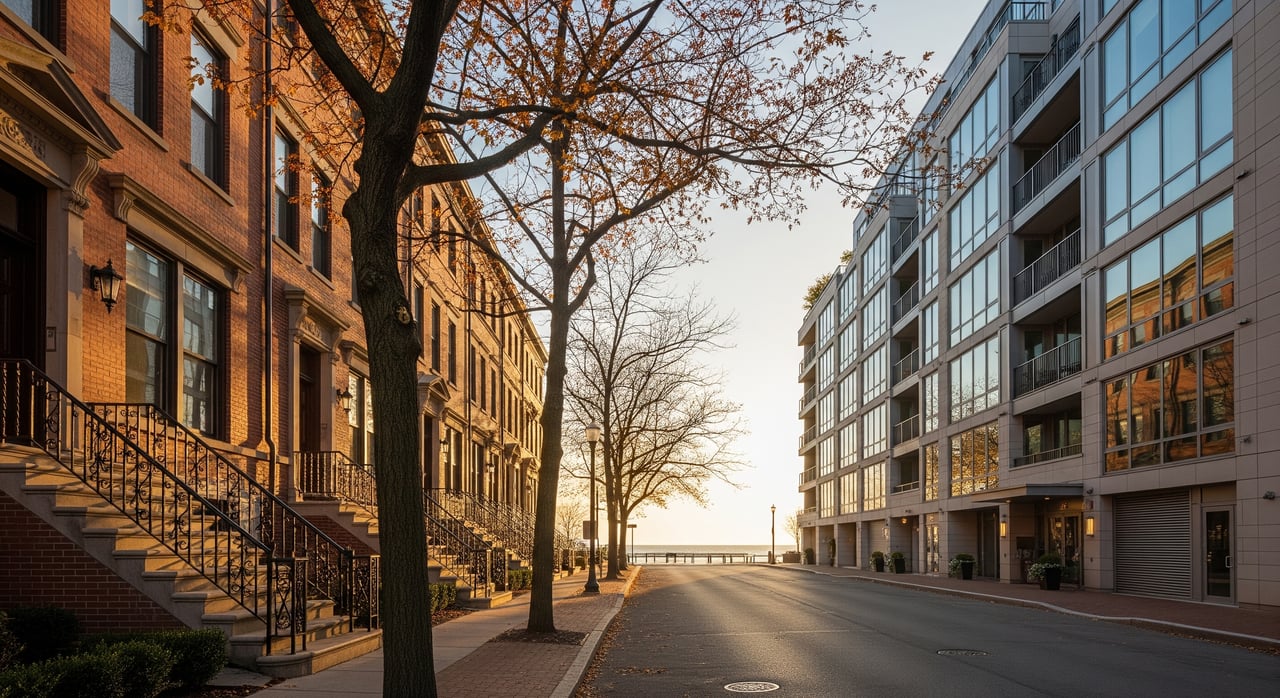
In Evanston, condos are common in and around downtown, near CTA Purple Line stations, Metra service, and Northwestern University. You also find mid-rise and low-rise buildings along Ridge Avenue and Chicago Avenue, plus older apartment conversions near corridors like Davis and Main. If you want walkability and elevator access, condo buildings near transit and retail are strong contenders.
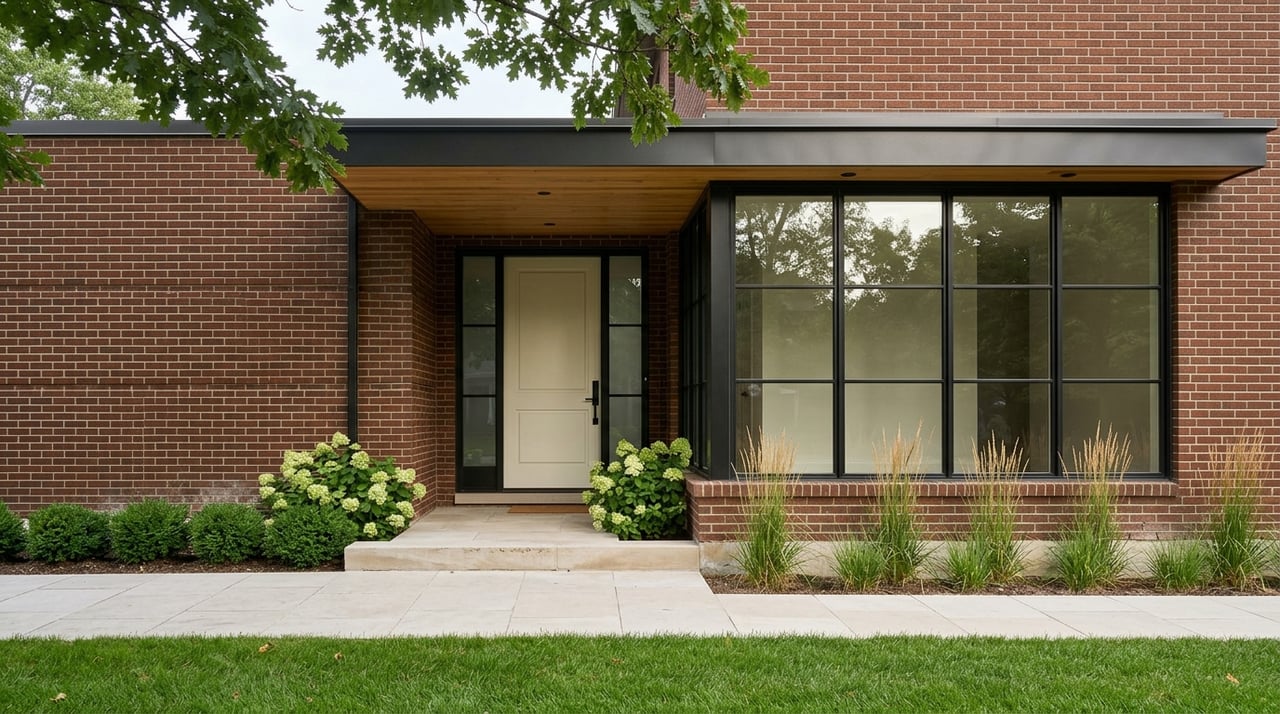
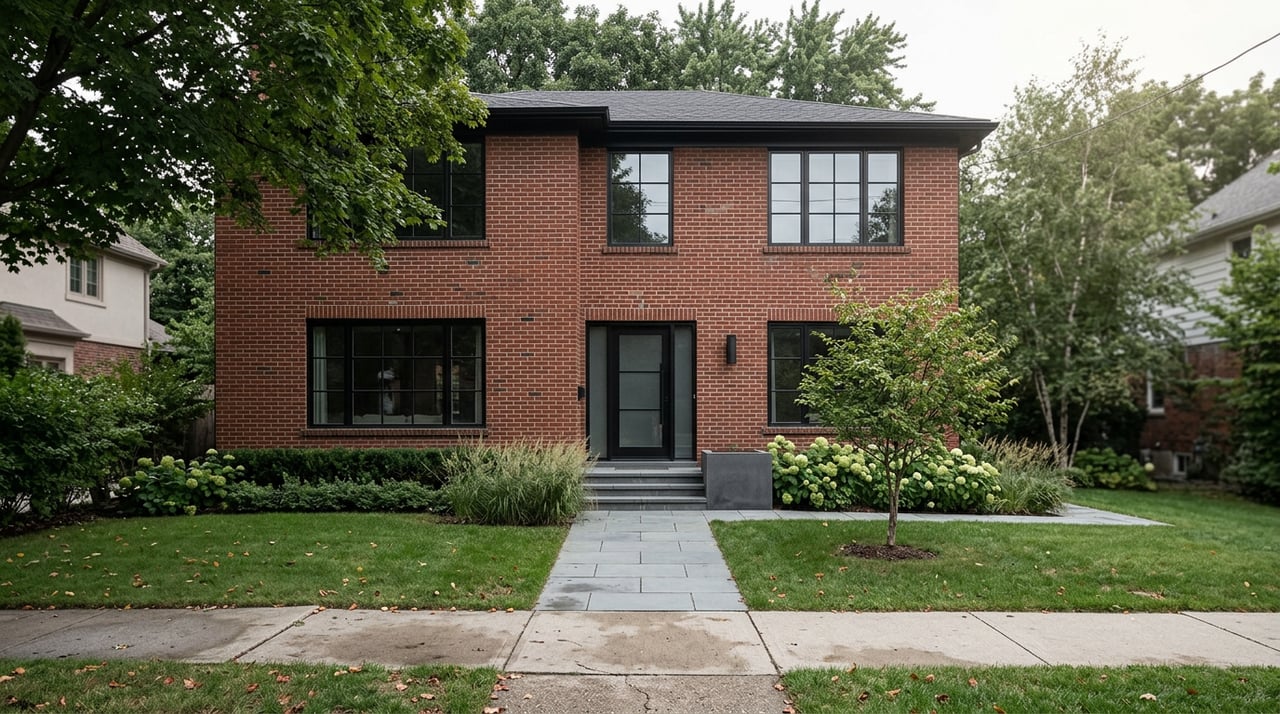
Townhomes often appear in pocket developments and infill sites across central and south Evanston. These attached homes can deliver more space, a private entrance, and a garage while keeping you in a convenient, in-town setting. Some nearby communities also offer planned townhome developments that feel like small neighborhoods.
If you value an easy commute and car-light living, proximity to the CTA Purple Line, Metra, and walkable retail is a major plus. Downtown and transit-adjacent condo locations often make errands and dining out simple. Townhomes can also offer good access to transit, especially in central and southern areas, while balancing more space and privacy.
Evanston includes several historic preservation areas. If your property is within a historic district, exterior work may require approvals. This affects both condos in historic buildings and fee-simple townhomes. Confirm the rules before planning exterior changes.
Condos often have a broad buyer pool, including first-time buyers and investors. That can help liquidity, though weaker association financials can slow resale. Townhomes attract owner-occupants seeking more space and a single-family feel, which can support value, but may narrow the buyer pool. If you plan to rent, review rental rules and any investor caps in the association documents before you make an offer.
If you want a clear side-by-side view of your options, we can help you weigh association health, transit access, and total monthly costs so you choose with confidence. For tailored comps, financing guidance, and on-the-ground insight into Evanston’s condo and townhome communities, connect with the Geoff Brown Team.
Stay up to date on the latest real estate trends.




With personalized strategies and unmatched local insight, the Geoff Brown Team ensures every client’s transaction is smooth, successful, and stress-free.